
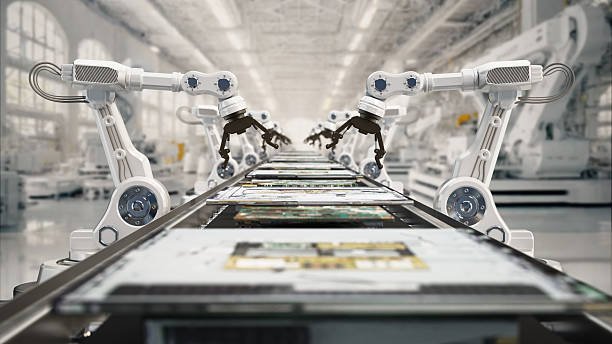
Manufacturing has undergone a remarkable transformation over the past century. From Henry Ford’s assembly line to Tesla’s robot-powered factories, automation has revolutionized how products are made. But what exactly is manufacturing automation, and why has it become essential for modern businesses?
Manufacturing automation represents the use of technology systems, machines, and control systems to operate equipment and processes with minimal human intervention. This shift from manual labor to automated processes has enabled companies to achieve unprecedented levels of efficiency, quality, and safety while reducing costs and production times.
This comprehensive guide will explore the core concepts of What is Manufacturing Automation, examine its benefits and challenges, and provide real-world examples of how leading companies are leveraging automation technology to transform their operations. Whether you’re a manufacturing professional, business owner, or technology enthusiast, understanding automation is crucial for navigating the future of industry.
What is Manufacturing Automation?

Manufacturing automation is the integration of technology systems that control and monitor the production process with minimal human intervention. These systems use a combination of hardware, software, and control mechanisms to perform tasks that were traditionally carried out by human workers.
At its core, automation technology encompasses everything from simple mechanized tools to complex computer-integrated manufacturing systems. The goal is to create a seamless production environment where machines communicate with each other, make decisions based on real-time data, and continuously optimize performance.
Industrial automation systems typically include sensors that gather data, controllers that process information and make decisions, and actuators that execute commands. This interconnected network allows for precise control over every aspect of the manufacturing process, from raw material handling to final product packaging.
The scope of manufacturing automation extends beyond individual machines to encompass entire production lines, warehouses, and even supply chain management systems. Modern automation solutions can coordinate multiple processes simultaneously, ensuring optimal resource utilization and consistent output quality.
Benefits of Manufacturing Automation
Increased Efficiency and Productivity
Automation technologies enable continuous operation without the breaks, shift changes, or fatigue that affect human workers. Automated systems can operate 24/7, dramatically increasing production capacity and throughput. These systems also perform tasks at consistent speeds, eliminating the variability inherent in manual processes.
Improved Quality and Consistency
Automated systems execute tasks with precision and repeatability that surpasses human capabilities. This consistency results in products that meet exact specifications every time, reducing defect rates and improving overall quality standards. Automated quality control systems can detect and correct issues in real-time, preventing defective products from reaching customers.
Reduced Labor Costs
While automation requires significant upfront investment, it typically reduces long-term labor costs. Automated systems can perform the work of multiple employees while operating continuously, leading to substantial savings over time. These cost reductions allow companies to remain competitive in global markets.
Enhanced Safety
Manufacturing environments often involve hazardous conditions that pose risks to human workers. Automation technology removes workers from dangerous situations, such as handling toxic materials, working with heavy machinery, or operating in extreme temperatures. This improvement in workplace safety reduces accidents, injuries, and associated costs.
Types of Manufacturing Automation
Understanding the different automation approaches helps manufacturers select the right solution for their specific needs and production requirements.
Fixed Automation
Fixed automation, also known as hard automation, involves specialized equipment designed to perform a specific set of operations. This type of automation is ideal for high-volume production of standardized products. Examples include automotive assembly lines and beverage bottling plants. While fixed automation offers high production rates and low per-unit costs, it lacks flexibility for product variations.
Programmable Automation
Programmable automation systems can be reconfigured to accommodate different products or production sequences through software programming. These systems are well-suited for batch production environments where product specifications change periodically. Computer Numerical Control (CNC) machines exemplify programmable automation, allowing manufacturers to produce different parts by simply changing the program.
Flexible Automation
Flexible automation, often called soft automation, provides the ability to change production parameters quickly and efficiently. These systems can handle multiple product varieties with minimal setup time. Flexible manufacturing systems (FMS) represent this category, offering the versatility to produce different products simultaneously while maintaining high efficiency.
Integrated Automation
Integrated automation represents the most advanced form of manufacturing automation, where multiple automated systems work together seamlessly. Computer Integrated Manufacturing (CIM) systems coordinate everything from design and production to inventory management and quality control, creating a fully connected manufacturing ecosystem.
Technologies Used in Manufacturing Automation
Robotics
Industrial robots form the backbone of many automated manufacturing processes. These programmable machines can perform welding, painting, assembly, packaging, and material handling tasks with exceptional precision and consistency. Modern robots incorporate advanced sensors and artificial intelligence, enabling them to adapt to variations in their environment.
Computer-Aided Design (CAD) and Manufacturing (CAM)
CAD systems enable engineers to design products digitally, while CAM systems translate these designs into instructions for automated manufacturing equipment. This integration ensures seamless transition from design to production, reducing errors and accelerating time-to-market.
Programmable Logic Controllers (PLCs)
PLCs serve as the brains of automated systems, controlling machinery and processes based on programmed instructions and sensor inputs. These robust controllers can withstand harsh industrial environments while providing reliable, real-time control of complex manufacturing operations.
Your content contains images and/or video(s).
Sensors and Actuators
Sensors collect data about various process parameters, including temperature, pressure, position, and quality metrics. Actuators execute commands from control systems, moving components, adjusting settings, or triggering actions. Together, these devices create the feedback loops necessary for effective automation.
Real-World Examples of Manufacturing Automation
Manufacturing automation has been successfully implemented across diverse industries, each leveraging automation benefits to address specific challenges and requirements.
Automotive Industry: Assembly lines employ robotic arms for welding, painting, and component assembly. These systems ensure consistent quality while handling the heavy lifting and precise positioning required in vehicle manufacturing.
Electronics Manufacturing: Automated pick-and-place machines populate printed circuit boards (PCBs) with components at incredible speeds and accuracy levels impossible for human workers to achieve.
Food and Beverage Industry: Automated packaging lines utilize robotic arms and conveyor systems to package products efficiently while maintaining hygiene standards and reducing contamination risks.
Pharmaceuticals: Automated pill dispensing and packaging systems ensure accurate dosing while preventing contamination, crucial for meeting strict regulatory requirements.
Textiles: Automated cutting and sewing machines increase production speed while maintaining consistent quality in garment manufacturing.
Metalworking: CNC machines perform automated cutting, drilling, and milling operations with exceptional precision and repeatability.
Case Studies: Automation Success Stories
Tesla: Revolutionizing Automotive Manufacturing
Tesla has heavily invested in automation technology, particularly in their assembly lines. The company uses advanced robots for welding, painting, and assembling vehicle components. This automation investment has enabled Tesla to increase production speed, improve consistency in vehicle quality, and reduce labor costs. Their Gigafactories represent some of the most automated manufacturing facilities in the automotive industry.
Foxconn: Electronics Manufacturing at Scale
Foxconn, a major manufacturer of electronic components and devices, employs thousands of robots in their factories. These robots handle circuit board assembly and electronic product testing. The automation implementation has enhanced production capacity, reduced error rates, and improved worker safety by automating hazardous tasks.
Nestlé: Food Processing Innovation
Nestlé utilizes automated packaging lines in their food and beverage production facilities. These lines use robotic arms and conveyor systems to package products quickly and efficiently. The results include higher throughput, reduced waste, and improved hygiene standards through minimal human contact with food products.
Roche: Pharmaceutical Precision
Roche uses automated systems for pill dispensing and packaging, ensuring accurate dosing and contamination prevention. These automation technologies have enabled precise medication management, reduced the risk of errors, and maintained compliance with strict regulatory standards.
Challenges and Considerations
High Initial Investment
Implementing manufacturing automation requires substantial upfront capital investment in equipment, software, and infrastructure. Companies must carefully evaluate the return on investment and develop realistic timelines for recovering these costs through improved efficiency and reduced operational expenses.
Need for Skilled Workforce
While automation reduces the need for manual labor, it increases demand for skilled technicians, engineers, and operators who can maintain, program, and troubleshoot automated systems. Organizations must invest in training existing employees or recruiting new talent with relevant technical skills.
Maintenance and Downtime
Automated systems require regular maintenance to operate effectively. Unexpected breakdowns can halt entire production lines, making preventive maintenance and quick repair capabilities essential. Companies must balance the costs of maintenance with the benefits of continuous operation.
The Future of Manufacturing Automation
The future of manufacturing automation points toward even greater integration of artificial intelligence, machine learning, and Internet of Things (IoT) technologies. Smart factories will feature self-optimizing systems that learn from data, predict maintenance needs, and adapt to changing conditions automatically.
Collaborative robots, or “cobots,” represent an emerging trend where humans and robots work together, combining human creativity and problem-solving with robotic precision and strength. This approach offers flexibility while maintaining the benefits of automation.
Industry leaders like Siemens, Rockwell Automation, ABB, Fanuc, and Mitsubishi Electric continue to develop innovative solutions that make automation more accessible and cost-effective for manufacturers of all sizes. These companies are advancing technologies that enable smaller manufacturers to implement automation solutions previously available only to large corporations.
For insights into how technology innovation is shaping various industries, including manufacturing, explore Kalidcan: The Future of Tech Innovation & Industry Evolution.
Frequently Asked Questions
What are the initial costs of implementing manufacturing automation?
Initial costs vary significantly based on the scope and complexity of automation. Simple automated systems might cost tens of thousands of dollars, while comprehensive factory automation can require millions. Most companies see return on investment within 2-5 years through reduced labor costs and increased productivity.
How does manufacturing automation affect job roles and the workforce?
While automation may eliminate some manual positions, it typically creates new roles requiring technical skills. Workers often transition to equipment operation, maintenance, programming, and quality control positions that offer higher wages and better working conditions.
What level of training is required to operate and maintain automated systems?
Training requirements depend on system complexity. Basic operation might require weeks of training, while maintenance and programming can require months or specialized certifications. Many companies partner with automation vendors to provide comprehensive training programs.
How can small to medium-sized enterprises implement automation cost-effectively?
SMEs can start with targeted automation of specific processes rather than full-scale implementation. Leasing equipment, starting with simpler systems, and gradually expanding automation can make implementation more affordable.
How can automation improve workplace safety?
Automation removes workers from hazardous environments, reduces repetitive strain injuries, and can include safety systems that automatically shut down equipment when problems occur. Many automated systems include safety sensors and barriers to protect workers.
Staying Competitive Through Smart Automation
Manufacturing automation has become essential for companies seeking to remain competitive in global markets. The substantial automation benefits—including increased efficiency, improved quality, reduced costs, and enhanced safety—make automation technology a strategic necessity rather than an option.
Successful automation implementation requires careful planning, appropriate technology selection, and consideration of workforce implications. Companies must evaluate their specific needs, available resources, and long-term goals when developing automation strategies.
The manufacturing landscape continues evolving rapidly, with new technologies and approaches emerging regularly. Staying informed about automation trends and innovations enables manufacturers to make strategic decisions that position their organizations for future success.
Continuous learning and adaptation remain essential for maximizing automation benefits. As technology advances and market conditions change, manufacturers must remain flexible and ready to embrace new automation opportunities that can drive their businesses forward.