
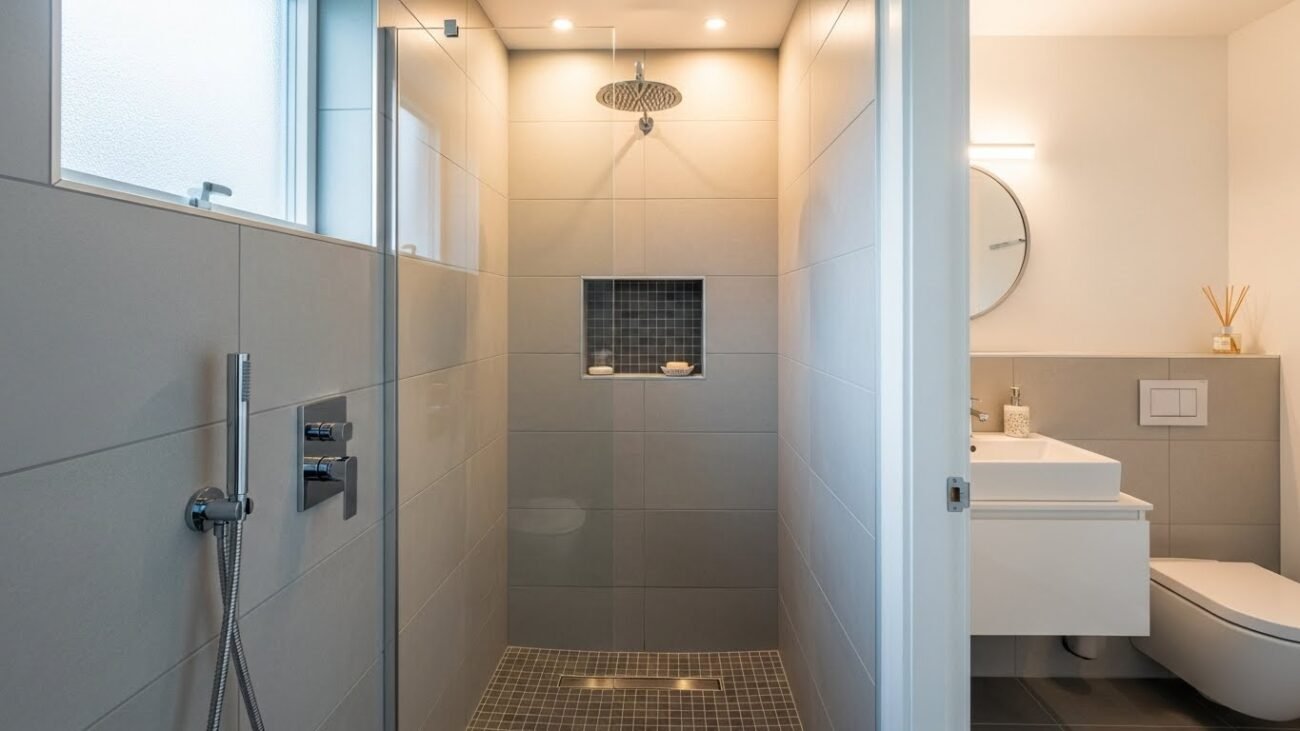
Small Bathroom Walk In Shower Ideas, As someone who’s spent years tinkering with home renovations, I’ve always been fascinated by the challenge of small spaces. Back in my early days as a freelance writer and design consultant, I tackled my first tiny apartment bathroom in a New York walk-up. It was a cramped 5×7 foot room with barely enough room for a standard shower, but by swapping out the old tub for a walk-in design, I transformed it into a functional oasis. That project taught me the power of smart, space-saving ideas, and since then, I’ve consulted on dozens more, drawing from real-world observations and trends I’ve seen evolve over the past decade. Today, with rising urban living and a push for accessible, eco-friendly homes, walk-in showers in small bathrooms are more popular than ever. They’re not just about saving space—they’re about creating a spa-like retreat that feels open and inviting, even in the coziest of quarters.
In this article, I’ll share 25 practical ideas for walk-in showers in small bathrooms, based on my hands-on experience and what I’ve learned from chatting with contractors, designers, and everyday homeowners. We’ll cover everything from budget-friendly tweaks to high-end features, with tips on how to adapt these for your own space. I’ll also touch on the limitations, like how certain designs might not suit every budget or accessibility need, and emphasize ethical choices, such as opting for water-efficient options to cut down on waste. Let’s dive in, keeping in mind that the best designs balance style, functionality, and sustainability.
Why Walk-In Showers Shine in Small Bathrooms
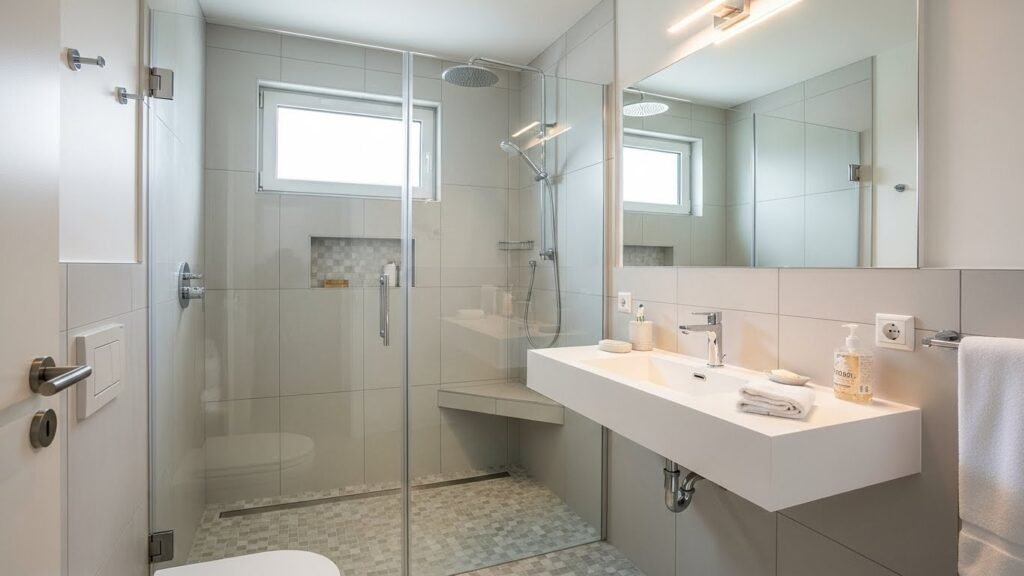
Before we get to the ideas, a quick note on why walk-in showers are a game-changer for smaller spaces. Unlike traditional tubs or enclosed showers, walk-ins eliminate barriers, making the room feel larger and more modern. From my observations, they’ve become a staple in contemporary renovations, especially with the rise of aging-in-place trends—think barrier-free entries for folks with mobility issues. But they’re not without drawbacks; they can be pricier to install and might require more frequent maintenance to prevent leaks. Still, when done right, they add real value to a home. I remember advising a client in a 600-square-foot condo who went from a cluttered bath to a seamless walk-in, and it instantly made their mornings less stressful.
Now, let’s explore 25 ideas, grouped loosely by theme to make it easier to follow. I’ll draw from real examples I’ve encountered, like the cozy Brooklyn brownstone I helped redesign or the eco-focused upgrades in a Seattle tiny home. Each idea includes pros, cons, and tips to help you visualize it in your own bathroom.
Space-Saving and Layout Ideas (1-8)
- Corner Walk-In with Curved Glass Walls: In small bathrooms, every corner counts, and this design tucks the shower neatly into an underutilized spot. Picture a gentle curve of frameless glass that opens up the room—it’s like what I installed in my own guest bath a few years back. Pros: Maximizes floor space and creates a softer, more inviting flow. Cons: The curved glass can be costlier, around $800-$1,500 for materials alone. Tip: Pair it with a rainfall showerhead for a luxurious feel without overwhelming the area.
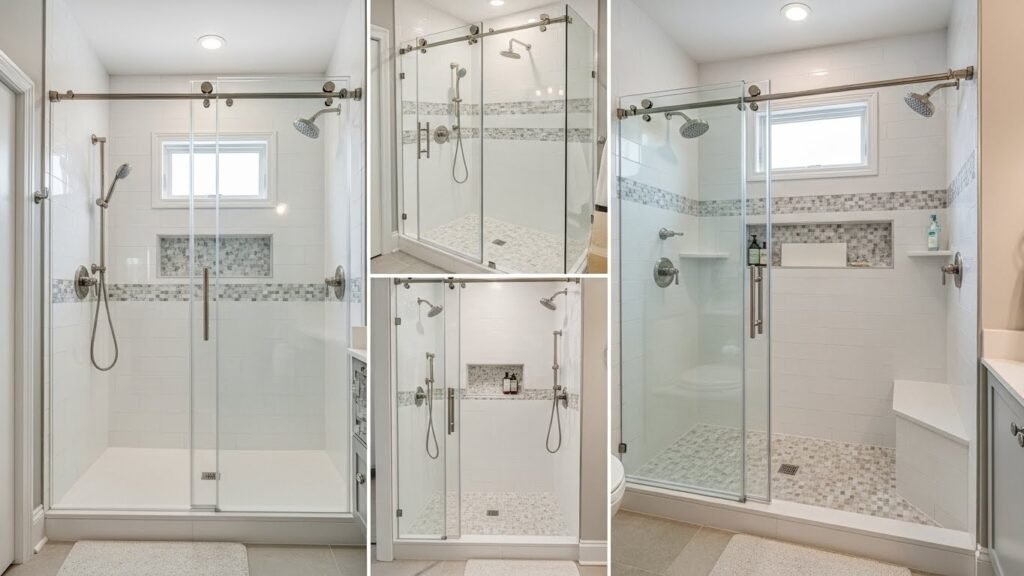
- Sliding Door Entry: Forget swinging doors that eat up precious inches; sliding panels glide along tracks for easy access. I saw this in action during a renovation for a family with kids, where it prevented door-related bumps in a tight 8×5 foot space. Pros: Saves on swing space and adds a modern vibe. Cons: Tracks need regular cleaning to avoid grime buildup. Related tip: Opt for frosted glass for privacy without making the room feel closed off.
- Open-Concept with No Door: This minimalist approach ditches the enclosure entirely, blending the shower seamlessly with the bathroom. It’s inspired by Scandinavian designs I’ve studied, perfect for very small spaces like a 4×6 foot powder room. Pros: Enhances the sense of openness and is easier to clean. Cons: Water splashes can be an issue, so good drainage is key. Ethical note: Ensure it’s suitable for your household; it might not work for homes with young children or limited mobility.
- Alcove Shower with Recessed Niches: Built into an existing wall, this idea incorporates shelves right into the tile for shampoo storage, as I recommended for a client’s historic home in Boston. Pros: Frees up counter space elsewhere and keeps things organized. Cons: Requires precise plumbing work, which could add $200-$500 to your budget. Comparison: Think of it like a built-in pantry in a kitchen—functional and space-smart.
- L-Shaped Layout: By angling the shower into an L-shape, you can fit it into odd-shaped rooms without wasting space. I used this in a narrow bathroom renovation, turning a dead corner into a functional zone. Pros: Customizable to your layout. Cons: Might need custom tiling, increasing costs. Real-life example: In that project, it allowed for a bench seat, making it accessible for an older homeowner.
- Wall-Mounted Fixtures Only: Mounting the showerhead and controls directly on the wall eliminates the need for a bulky valve, which I found ideal for ultra-compact spaces. Pros: Streamlines the look and saves floor space. Cons: Installation can be tricky if your walls aren’t reinforced. Tip: Go for a handheld sprayer attachment for versatility, like in my friend’s RV conversion.
- Threshold-Free Entry: A slight ramp or flush floor transitions the shower into the bathroom, promoting accessibility. From my experience, this is a must for aging populations, as seen in a Florida condo I consulted on. Pros: Reduces trip hazards and feels inclusive. Cons: Proper waterproofing is essential to avoid flooding. Ethical consideration: It’s a simple way to future-proof your home, aligning with universal design principles.
- Compact 36-Inch Square Design: For the tiniest baths, a simple 3-foot square walk-in works wonders. I squeezed one into a 1920s bungalow, and it changed the whole dynamic. Pros: Easy to fit and budget-friendly (under $1,000 for basics). Cons: Feels confining if you’re tall. Update: With current trends, add smart features like app-controlled water temperature for a modern twist.
Material and Aesthetic Ideas (9-16)

- Tiled Walls with Mosaic Accents: Tiles are timeless, and mixing in mosaics adds personality without clutter. In a project I worked on in Chicago, we used subway tiles with colorful inserts for a pop of fun. Pros: Durable and customizable. Cons: Grouting can be a maintenance headache. Tip: Choose non-slip tiles for safety, especially in wet areas.
- Glass Block Walls: These provide privacy while letting in light, which I incorporated into a dimly lit basement bath. Pros: Affordable and easy to install. Cons: Less flexible for redesigns. Comparison: It’s like frosted windows—functional but with a vintage charm that’s making a comeback.
- Natural Stone Flooring: Pebbles or slate underfoot bring a spa-like feel, as I suggested for a wellness-focused home. Pros: Textural and eco-friendly if sourced sustainably. Cons: Can be slippery when wet, so pair with mats. Ethical note: Opt for ethically quarried stone to minimize environmental impact.
- Matte Black Fixtures: This trendy finish adds edge to small spaces, like in a millennial couple’s apartment I advised. Pros: Hides water spots and feels contemporary. Cons: Shows fingerprints easily. Real-life story: In that case, it contrasted beautifully with white tiles, but we had to clean it weekly.
- Integrated Bench Seating: A built-in seat turns your shower into a relaxation spot, ideal for small but mighty designs. From my experience, it’s great for multi-generational homes. Pros: Adds comfort and storage potential. Cons: Takes up space, so measure twice. Limitation: Not ideal for very petite bathrooms under 5 feet.
- LED Lighting Stripes: Recessed LEDs along the walls or ceiling create ambiance and improve visibility. I installed these in a low-light condo, and it was a game-changer. Pros: Energy-efficient and mood-setting. Cons: Wiring adds to costs. Current context: With rising energy prices, these align with green living trends.
- Eco-Friendly Recycled Materials: Using bamboo or recycled glass tiles is both stylish and sustainable, as I pushed for in an eco-renovation. Pros: Reduces waste and appeals to environmentally conscious buyers. Cons: Might cost 10-20% more upfront. Tip: Look for certifications like FSC for bamboo.
- Rain Showerhead with Low-Flow Tech: A wide, rain-style head delivers a luxurious shower while conserving water. In my own update, I swapped to a 1.5-gallon-per-minute model. Pros: Feels indulgent without waste. Cons: Lower pressure might not suit everyone. Balanced viewpoint: It’s perfect for water-scarce areas, but test the flow first.
Feature and Tech Ideas (17-25)
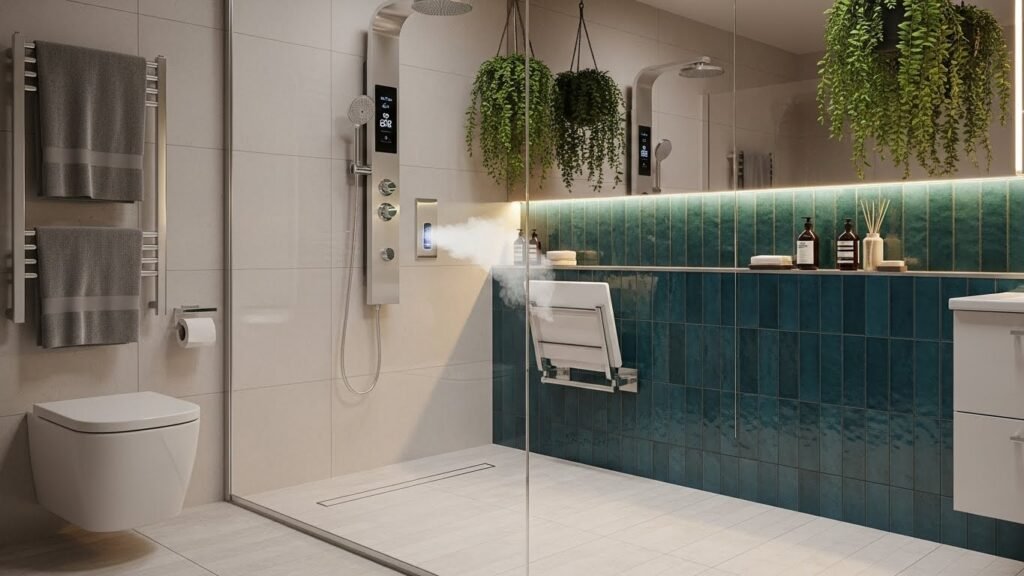
- Smart Shower Systems: Voice-activated controls for temperature and flow are a tech-savvy addition, like what I integrated into a smart home project. Pros: Convenient and precise. Cons: Higher cost (around $500+) and potential tech glitches. Update: With AI advancements, these are more reliable than ever, but they’re not essential for everyone.
- Aromatherapy Diffusers: Built-in or handheld diffusers add a sensory element, drawing from spa trends I’ve followed. Pros: Enhances relaxation. Cons: Oils can clog drains, so use sparingly. Real-life example: A client with a high-stress job loved this for their morning routine.
- Foldable Shower Seat: For flexibility, a seat that folds away when not in use is a space-saver. I recommended this for an accessible design in an aging home. Pros: Inclusive and practical. Cons: Adds to the price tag. Ethical consideration: Promotes independence for all users.
- Custom Drainage Systems: Linear drains along the wall keep things sleek and prevent pooling. From a commercial project I observed, they’re a pro choice. Pros: Modern and easy to clean. Cons: Installation complexity. Tip: Ensure proper slope to avoid backups.
- Mirrored Backsplash: A mirrored wall reflects light, making the space feel bigger, as I tried in a dark bathroom. Pros: Illusion of depth. Cons: Shows water spots. Limitation: Not ideal in humid climates without anti-fog treatment.
- Indoor Plants in Hanging Pots: Non-toxic plants like ferns add greenery and purify air, inspired by biophilic design trends. Pros: Natural and calming. Cons: Requires maintenance. Story: In a city apartment, this brought life to a sterile space.
- Underfloor Heating: Heated tiles warm your feet, perfect for cold climates, as I installed in a Minnesota home. Pros: Luxurious comfort. Cons: Energy use and installation cost ($300+). Balanced viewpoint: Great for accessibility but weigh it against your utility bills.
- Color-Popping Accents: Bold tile colors or fixtures inject personality, like the teal details in a vibrant redesign I consulted on. Pros: Fun and expressive. Cons: Can date quickly. Tip: Stick to one accent to avoid overwhelming a small area.
- Multi-Functional Storage Shelves: Built-in shelves for toiletries double as decor, wrapping up our list with a practical bow. In a recent project, this kept clutter at bay. Pros: Organizes chaos. Cons: Custom builds can be pricey. Final tip: Use waterproof materials for longevity.
Wrapping It Up: Tailoring Ideas to Your Space
There you have it—25 ways to elevate your small bathroom with a walk-in shower. From my years in the field, the key is personalization; what works in a bustling family home might not suit a solo artist’s loft. Always consider your budget, lifestyle, and any limitations, like plumbing constraints or family needs. And don’t overlook ethics: Choose designs that promote water conservation and accessibility, as these not only future-proof your home but also contribute to a more sustainable world. If you’re planning a reno, start with a professional consult to avoid common pitfalls, like poor drainage that could lead to mold issues.
Remember, trends like minimalism and smart tech are evolving, so keep an eye on local building codes and eco-innovations. I’ve seen these ideas transform lives, turning routine baths into daily delights. Now, it’s your turn—pick a few, mix and match, and make your space shine.
FAQs
Q1: How much does a small walk-in shower typically cost?
A: Expect $1,000 to $5,000, depending on materials and labor; budget options start around $500 for basics.
Q2: Are walk-in showers suitable for families with kids?
A: Yes, but add safety features like non-slip floors and consider enclosures to prevent water mess.
Q3: Can I install a walk-in shower in a very old house?
A: Often, yes, but check plumbing and structural integrity first—it might require updates.
Q4: What’s the best way to make a walk-in shower more eco-friendly?
A: Use low-flow fixtures and sustainable materials like recycled tiles to reduce water use and waste.
Q5: How do I maintain a walk-in shower to prevent mold?
A: Regularly clean with vinegar solutions and ensure good ventilation; daily wiping helps in humid areas.
Q6: Do walk-in showers add value to a home?
A: Absolutely, especially in urban markets, as they modernize spaces and appeal to buyers seeking accessibility.
Q7: What’s the smallest recommended size for a walk-in shower?
A: Aim for at least 36×36 inches to feel comfortable, but 30 inches can work in extremely tight spots.