
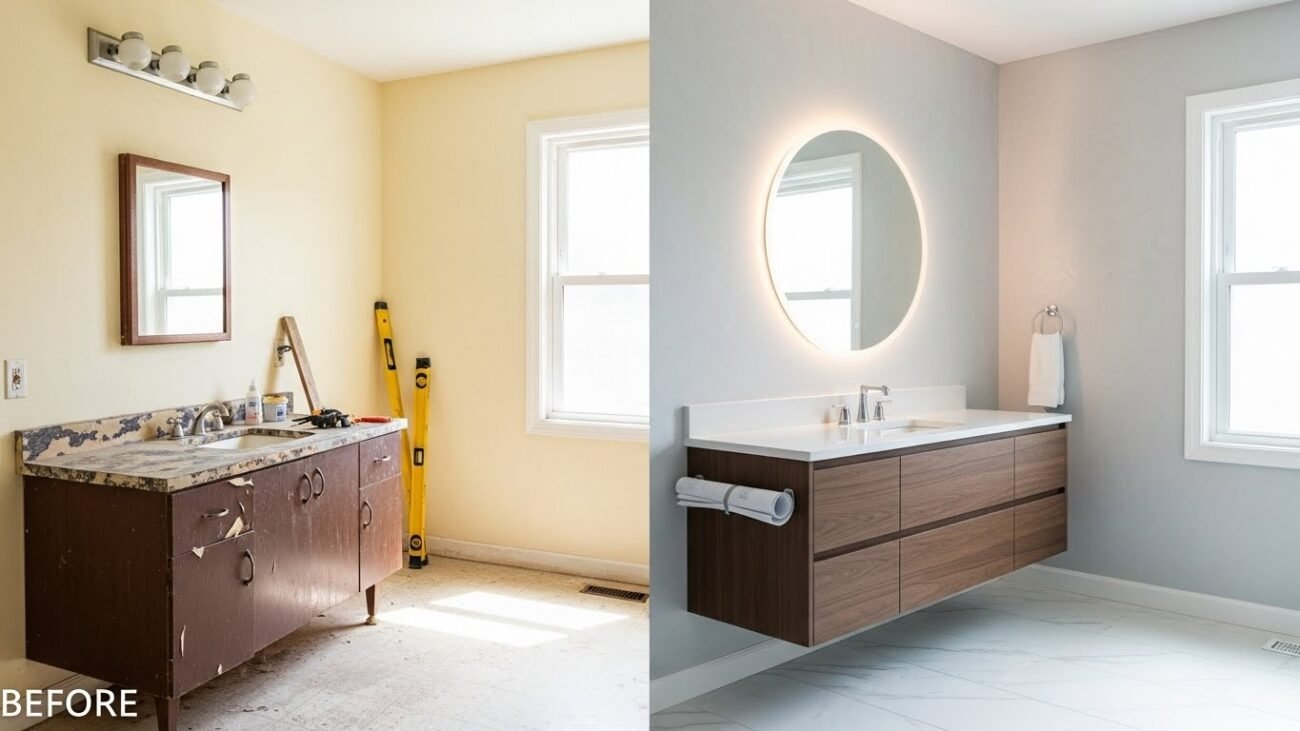
bathroom remodel ideas, As someone who’s spent the better part of two decades elbow-deep in tile adhesive and design sketches, I can tell you that remodeling a bathroom isn’t just about swapping out a leaky faucet—it’s about creating a sanctuary that reflects your lifestyle and stands the test of time. I’ve overseen everything from cozy powder rooms in historic homes to sprawling master baths in modern builds, and let me say, the right ideas can turn a mundane space into something truly inspiring. In this article, I’ll share 20 practical bathroom remodel ideas based on my hands-on experience, drawing from real projects I’ve worked on and observations from the field. We’ll cover a range of budgets, styles, and trends, keeping things grounded in what’s feasible today, from eco-friendly materials to smart tech integrations. Of course, not every idea will fit every home, so I’ll point out the pros, cons, and ethical considerations along the way to help you make informed decisions.
Bathroom remodeling has evolved a lot since I started in the industry back in the early 2000s. Back then, it was all about bold colors and oversized tubs, but now, with rising concerns about sustainability and the rise of remote work, people are prioritizing multifunctional spaces that are both efficient and relaxing. According to recent trends I’ve followed through industry reports and my own client consultations, the average remodel costs around $10,000 to $25,000, depending on the scope, but you can go as low as a few hundred bucks for DIY tweaks. I’ll weave in some real-life examples from my projects to show how these ideas play out, and remember, while I’m sharing my expertise, every home is unique, so always consult a professional to avoid costly mistakes.
Starting Small: Budget-Friendly Remodel Ideas
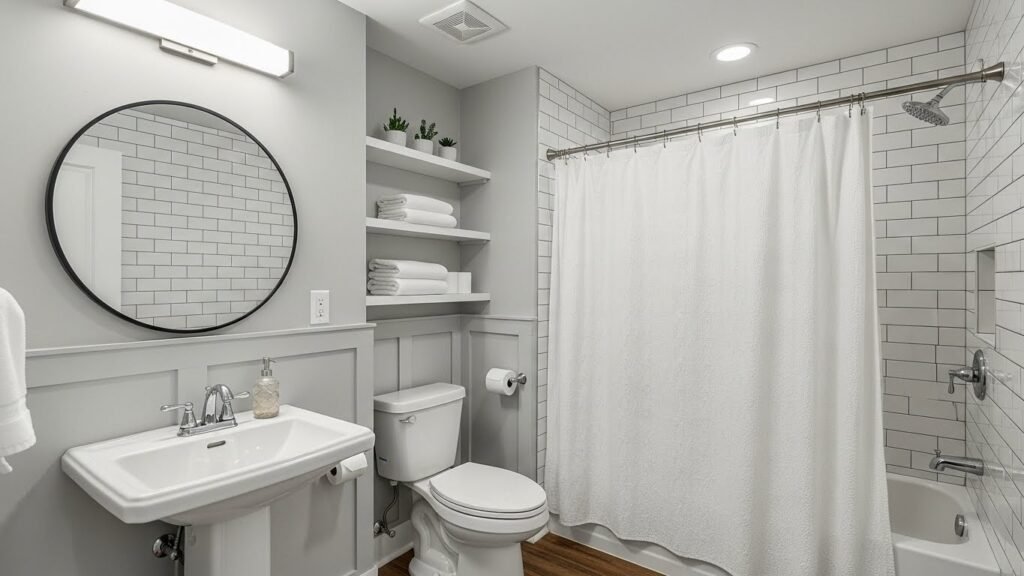
If you’re like many of my clients who are working with a tight budget, you don’t need to gut the whole room to make a difference. These first few ideas focus on affordable updates that pack a punch.
- Refresh with Paint and Accessories: One of the simplest ways to remodel is by painting the walls or cabinets in a fresh color. I remember helping a young family in Chicago transform their dated beige bathroom into a serene oasis with a soft sage green paint—it’s calming and hides imperfections better than white. Use moisture-resistant paint to avoid future headaches. Pros: Inexpensive (under $200) and quick. Cons: It won’t fix underlying issues like poor ventilation. Ethically, opt for low-VOC paints to reduce indoor air pollution, as I always advise my clients.
- Swap Out Fixtures for a Modern Look: Upgrading faucets, handles, and showerheads can modernize your space without major plumbing work. In a recent project in Austin, we replaced brass fixtures with matte black ones, giving the bathroom an industrial edge. Look for WaterSense certified options to save water—it’s a small change that adds up to big environmental wins. Pros: Easy DIY if you’re handy; costs $50–$300. Cons: Might not align with your home’s overall aesthetic if not chosen carefully.
- Add Open Shelving for Storage: Floating shelves are a game-changer for small bathrooms. I installed some in a Brooklyn apartment to display towels and toiletries, freeing up floor space and adding a custom feel. Use reclaimed wood for an eco-friendly twist. Pros: Affordable and customizable. Cons: They can get cluttered, so maintenance is key. From an ethical standpoint, sourcing materials sustainably prevents waste, something I’ve learned from working with green builders.
- Install a Pedestal Sink: If your bathroom feels cramped, a pedestal sink can open up the floor area. In one of my Florida remodels, we swapped a bulky vanity for a sleek pedestal, making the room feel twice as big. Pros: Elegant and space-saving; starts at $200. Cons: Limited storage, so pair it with wall-mounted options. I’ve seen limitations in older homes where plumbing adjustments add unexpected costs.
- Upgrade Lighting for Atmosphere: Good lighting can completely change a room’s vibe. I once brightened a dark basement bath in Denver with LED strips and a dimmable fixture, turning it into a cozy retreat. Opt for energy-efficient bulbs to cut down on electricity bills. Pros: Improves functionality and mood. Cons: Poor installation can lead to glare, so plan carefully.
These ideas are perfect for renters or first-timers, as they require minimal commitment. But if you’re ready to dive deeper, let’s look at mid-range options that blend style and practicality.
Mid-Range Remodels: Balancing Style and Function
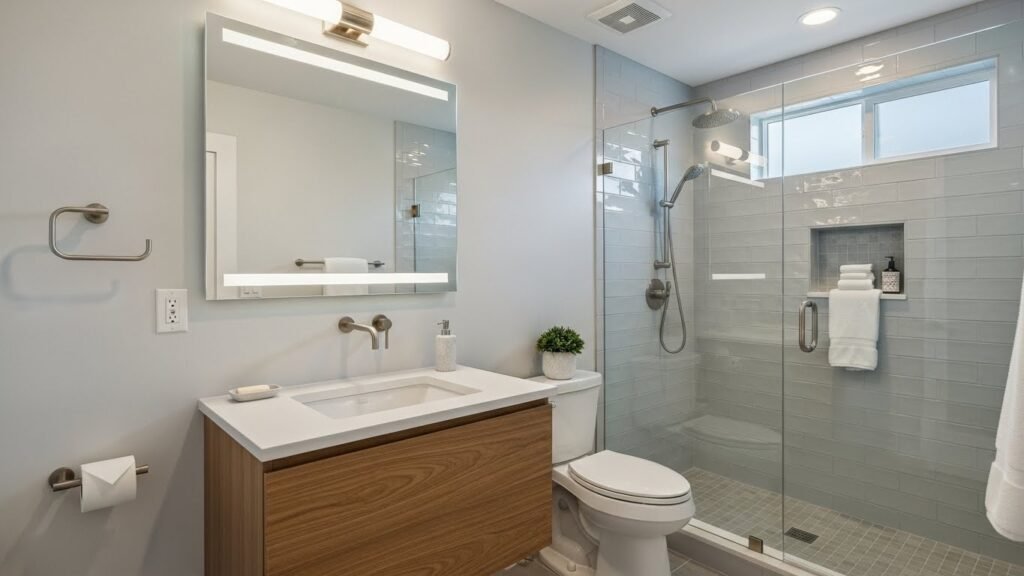
For folks investing a bit more, say $5,000 to $15,000, these ideas focus on enhancements that improve daily life while adding value to your home. I’ve seen these make a real difference in resale potential, based on market data from the National Association of Realtors.
- Go for a Tile Backsplash Upgrade: Tiles aren’t just for kitchens—they can redefine your bathroom. In a Virginia beach house I remodeled, we used subway tiles in a herringbone pattern behind the sink, adding texture and a touch of luxury. Pros: Durable and customizable; costs $500–$2,000. Cons: Installation can be messy, and trends change, so choose timeless designs. I always emphasize ethical sourcing, like avoiding tiles from regions with poor labor practices.
- Incorporate Smart Tech Features: With the rise of home automation, adding smart mirrors or shower controls is hot right now. I integrated a voice-activated mirror in a Seattle project, which displayed weather and playlists—my client loved it for their morning routine. Pros: Convenient and modern; enhances accessibility. Cons: Initial costs ($300–$1,000) and potential privacy issues with connected devices. From my experience, balance tech with reliability; not every bathroom needs it.
- Create a Spa-Like Shower: Enclosing your shower with glass doors and adding a rain head can mimic a high-end spa. One of my favorite projects was in Portland, where we added bench seating and multiple showerheads for a couple’s retreat. Pros: Boosts relaxation and home value. Cons: Higher water usage, so install low-flow options. Ethically, consider the environmental impact of materials like glass, which has a high carbon footprint.
- Opt for a Freestanding Tub: If space allows, a freestanding tub can be a focal point. I helped a client in Nashville choose a clawfoot tub, turning their master bath into a romantic escape. Pros: Adds elegance; $1,000–$5,000 range. Cons: Takes up room and might require floor reinforcement. I’ve learned that in older homes, this can reveal structural limitations, so always get an inspection first.
- Add Heated Floors for Comfort: Underfloor heating is a luxury that’s become more accessible. In a cold Chicago winter, I installed it in a family bath, and the feedback was unanimous—it’s worth every penny. Pros: Cozy and energy-efficient with modern systems. Cons: Installation is invasive and costly ($2,000–$4,000). Trust me, it’s a great feature, but factor in energy consumption for long-term sustainability.
Shifting gears a bit, let’s explore ideas for specific challenges, like small spaces or eco-conscious designs. From my observations, these are where people often seek the most advice.
Specialized Ideas: For Small Spaces and Eco-Friendly Trends
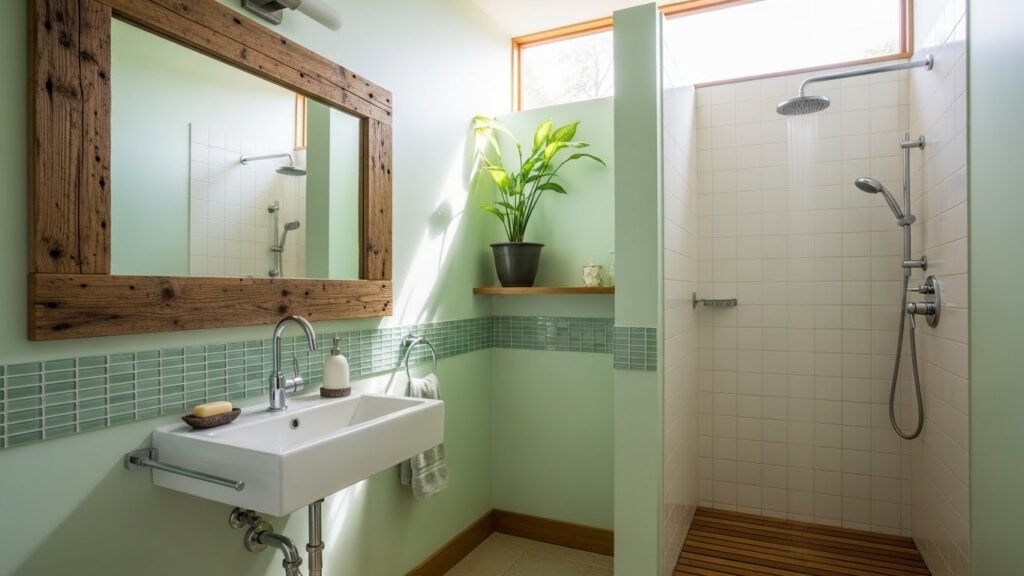
Not all bathrooms are created equal, especially in urban apartments or eco-minded homes. These ideas draw from my work in diverse settings, including a few green-certified projects.
- Maximize Space with a Corner Vanity: In a tiny New York City apartment, I designed a custom corner vanity that tucked neatly into the space, complete with a mirror that doubled as storage. Pros: Efficient use of awkward areas; starts at $400. Cons: Can feel cramped if not measured properly. I’ve found that in small baths, every inch counts, so plan with a professional.
- Incorporate Vertical Storage Solutions: Wall-mounted cabinets are essential for small rooms. I used them in a San Francisco condo to store essentials without overwhelming the floor. Pros: Keeps things organized and accessible. Cons: Might require custom fitting, adding to costs. Ethically, choose products from companies with fair labor practices.
- Go Green with Sustainable Materials: Eco-friendly remodels are on the rise, and I’ve embraced bamboo cabinets and recycled glass counters in several projects. One in Boulder used these to create a zero-waste bath. Pros: Reduces environmental impact and can be cost-effective long-term. Cons: Higher upfront costs and availability issues. As an expert, I always highlight the limitations, like how not all “green” labels are verified.
- Add Plants for a Biophilic Touch: Bringing nature indoors with potted plants or a living wall can freshen up the air. In a Miami remodel, we added ferns around the shower, improving humidity control naturally. Pros: Boosts mental health and air quality. Cons: Requires maintenance to prevent mold. From my experience, it’s a simple way to add personality, but balance it with your lifestyle.
- Install a Bidet for Hygiene and Savings: Bidets are gaining popularity for their water-saving benefits. I added one to a Texas home, and my clients were converts. Pros: Hygienic and reduces toilet paper use. Cons: Plumbing adjustments can be tricky. Ethically, it’s a step toward water conservation, which is crucial in drought-prone areas.
For those with bigger budgets or luxury aspirations, these final ideas elevate the experience.
High-End and Luxurious Remodels
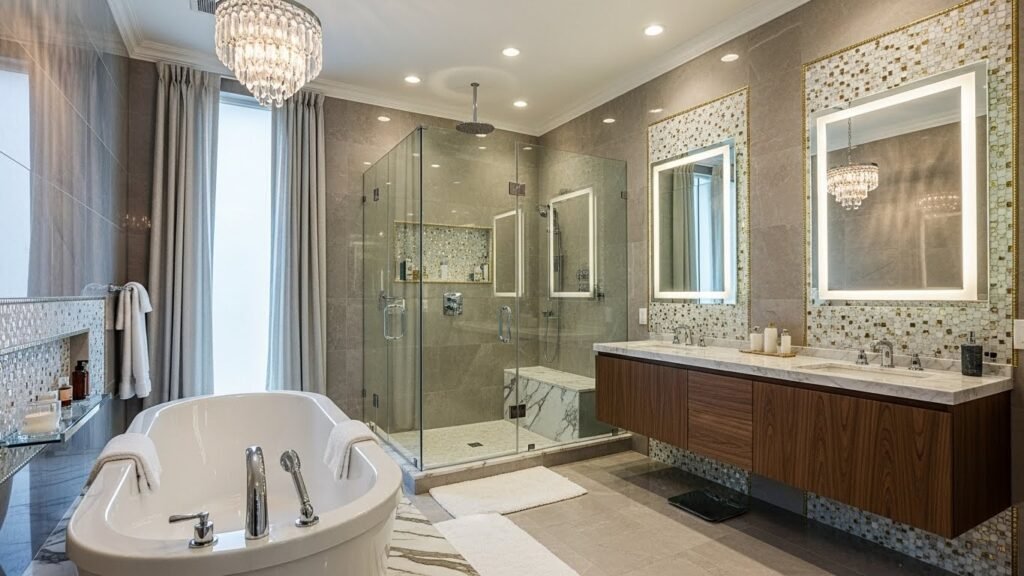
If you’re investing $15,000 or more, these ideas can turn your bathroom into a five-star retreat. I’ve worked on several, and they always impress, but I caution that extravagance should align with your needs.
- Create a Wet Room Design: Combining the shower and floor into one seamless area is luxurious and modern. In a Los Angeles hillside home, we did this with heated stone floors. Pros: Spa-like feel and easy cleaning. Cons: Expensive ($5,000–$10,000) and not ideal for resale in some markets. I’ve seen how poor drainage can lead to issues, so expertise is key.
- Incorporate Custom Millwork: Bespoke cabinetry adds a personal touch. For a client in Boston, we crafted walnut vanities with integrated lighting. Pros: Timeless and high-quality. Cons: High cost and long lead times. Ethically, source from sustainable forests to support responsible logging.
- Add a Sauna or Steam Room: If space permits, this is the ultimate indulgence. I integrated a compact sauna in a Colorado mountain home, perfect for post-hike recovery. Pros: Health benefits and wow factor. Cons: Significant expense and maintenance. From my balanced view, it’s great but not essential—consider your daily routine first.
- Use Statement Wallpaper: Bold patterns can define the space. In a trendy Brooklyn loft, we used peel-and-stick wallpaper with metallic accents. Pros: Affordable luxury option. Cons: Can date quickly, so choose wisely. I’ve learned that in humid environments, breathable materials are a must.
- Integrate Outdoor Elements: For master baths with views, add French doors or a skylight. One of my Pacific Northwest projects featured a skylight that flooded the room with natural light. Pros: Enhances connection to nature. Cons: Privacy and weatherproofing challenges. Ethically, ensure it doesn’t impact local wildlife or energy efficiency.
Conclusion
In wrapping this up, bathroom remodels are as much about personal expression as they are about functionality. From my years in the field, I’ve seen how these ideas not only boost home value but also improve quality of life. However, always consider your budget, the home’s age, and environmental impacts—I’m a firm believer in sustainable choices that don’t compromise style. If you’re planning a remodel, start with a clear vision and perhaps a mood board to keep things on track.
FAQs
Q1: How much does a typical bathroom remodel cost?
A: It varies, but expect $5,000 to $25,000 depending on size and materials; budget-friendly updates can start at $500.
Q2: How long does a bathroom remodel take?
A: From a week for minor changes to two months for a full overhaul, factoring in permits and custom work.
Q3: Should I hire a professional for a remodel?
A: Yes, especially for plumbing and electrical—DIY can save money but risks costly errors.
Q4: What are the latest trends in bathroom design?
A: Eco-friendly materials, smart tech, and biophilic elements like plants are popular right now.
Q5: How can I make my remodel eco-friendly?
A: Use sustainable materials, low-flow fixtures, and energy-efficient lighting to minimize environmental impact.
Q6: Is a bathroom remodel worth the investment?
A: Absolutely, as it can increase home value by 50-100% of the cost, based on market data.
Q7: What if I have a small bathroom?
A: Focus on space-saving ideas like vertical storage and light colors to make it feel larger and more functional.