
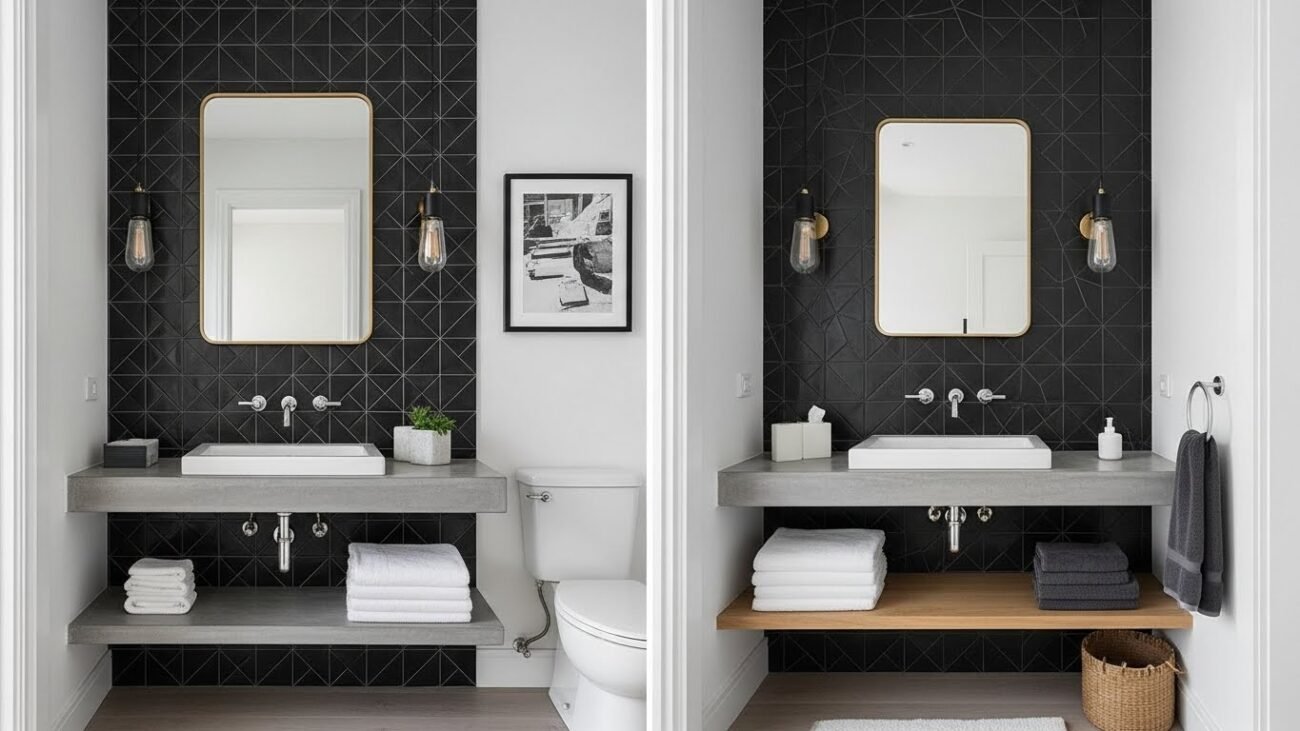
Bathroom Backsplash Ideas, As someone who’s spent years knee-deep in home renovations, I still remember the first time I swapped out a dingy, outdated backsplash in a client’s bathroom. It was a small powder room in an old Victorian house, and that simple change—swapping plain white tiles for a subtle mosaic pattern—made the whole space feel fresh and inviting. It’s amazing how something as straightforward as a backsplash can tie a room together, adding personality, protection, and even a touch of luxury. From my hands-on experience designing and installing backsplashes in everything from cozy apartments to sprawling family homes, I’ve seen firsthand how these features can make or break a bathroom’s vibe. In this article, I’ll share 30 practical ideas based on real trends, materials, and challenges I’ve encountered, drawing from observations in the field and insights from industry pros. We’ll cover everything from budget-friendly options to high-end designs, keeping things grounded in today’s world of sustainable living and smart home upgrades.
Backsplashes aren’t just about aesthetics; they’re a functional barrier against moisture and splashes, which is crucial in a bathroom. But let’s be real—they’re also a canvas for creativity. Over the past few years, with more people working from home and focusing on personal sanctuaries, I’ve noticed a surge in bold, personalized designs. Trends like biophilic elements (think nature-inspired patterns) and tech integrations (like subtle LED lighting) are popular, but not every idea suits every space. I’ll break this down into categories to make it easier, sharing pros, cons, and real-life examples along the way. Remember, while I’m excited about these options, factors like your budget, maintenance needs, and even the bathroom’s size can limit what’s feasible. Ethically, I always recommend choosing materials that are eco-friendly where possible, as the home improvement industry has a growing impact on the environment—something I’ve learned from collaborating with green builders.
Why Backsplashes Matter and How to Choose One
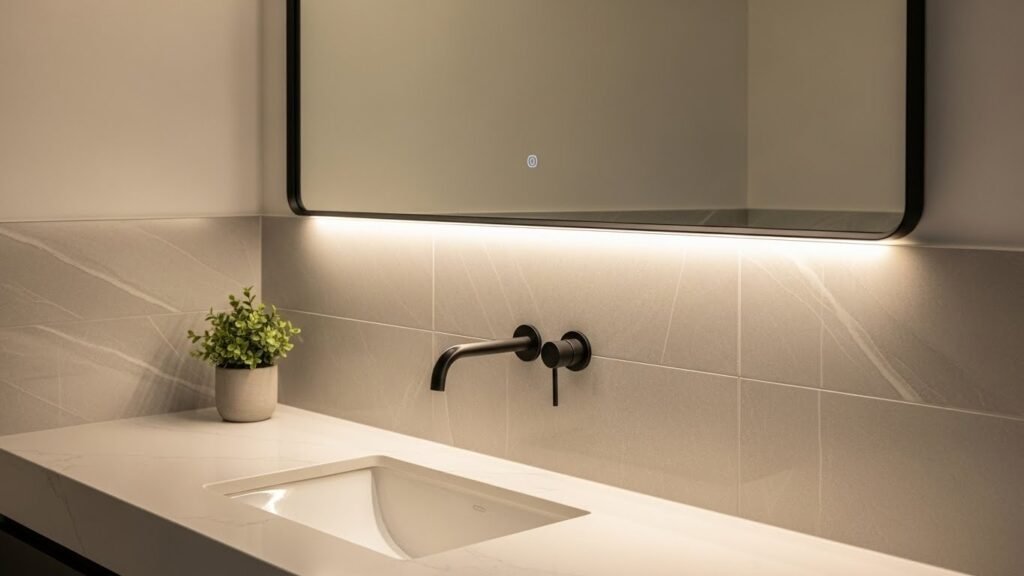
Before we dive into the ideas, let’s talk basics. A bathroom backsplash typically covers the wall behind the sink or tub, protecting it from water damage and grime. From my experience, the best ones balance style with practicality. For instance, in a busy family bathroom, you want something easy to clean, like glossy tiles, rather than porous materials that stain easily.
When picking a backsplash, consider your overall bathroom theme. Are you going for a spa-like retreat or a modern, minimalist setup? Budget is key too—I’ve worked on projects ranging from $50 DIY fixes to $1,000 custom installations. And don’t overlook maintenance; some materials fade over time, especially in humid environments. In recent years, with supply chain issues and rising material costs, it’s smarter to opt for locally sourced or versatile options. Plus, for ethical reasons, look into low-VOC (volatile organic compounds) products to avoid off-gassing that could affect indoor air quality.
Now, let’s get to the fun part: 30 ideas, grouped into categories for clarity. I’ll draw from real case studies, like the time I helped a young couple in Brooklyn transform their tiny en-suite, or when I advised a family in the suburbs on eco-friendly upgrades. Each idea includes tips on implementation, potential drawbacks, and how it fits into modern living.
Traditional and Timeless Designs (Ideas 1-10)
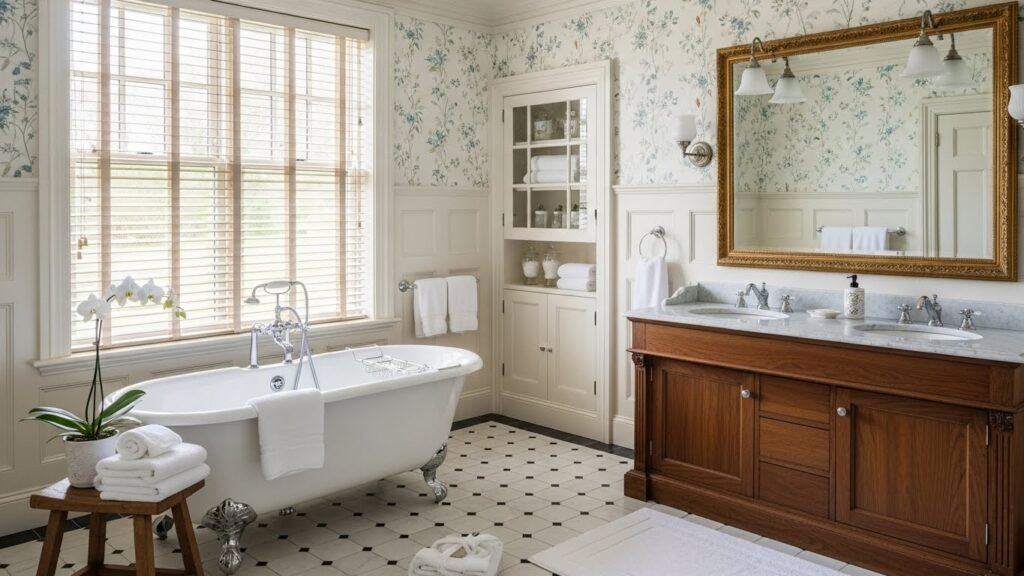
These classics never go out of style and often work well in older homes or for those who prefer understated elegance.
- Subway Tiles: Think of the iconic white rectangles you see in New York City subways. They’re versatile and affordable, starting at around $5 per square foot. In a recent project, I used them in a historic home’s guest bathroom to create a clean, retro look. Pros: Easy to install and clean; cons: They can feel a bit plain without accents. Pair with brass fixtures for a vintage twist.
- Hexagonal Tiles: These six-sided wonders add geometric interest without overwhelming the space. I once installed matte black hex tiles in a mid-century modern bath, and it tied the room together beautifully. At about $10-15 per square foot, they’re a step up from basics but worth it for the pattern play.
- Penny Tiles: Small, round tiles that give a coin-like effect—perfect for a subtle shimmer. In a beach house renovation I worked on, we used them in a neutral beige to mimic sand. Pros: Affordable and DIY-friendly; cons: Grout lines can trap dirt, so regular cleaning is a must.
- Ceramic Tiles with Simple Patterns: Basic ceramics in floral or stripe designs offer a nod to tradition. I recommended these for a client’s farmhouse-style bath; they cost around $8 per square foot and held up well against daily use.
- Beadboard Paneling: Not exactly tiles, but wooden beadboard adds texture and warmth. In a cozy cottage bathroom, I paired it with white paint for a nautical feel. Pros: Budget-friendly (under $10 per panel); cons: It needs sealing to prevent water damage, which I’ve seen cause issues in humid climates.
- Marble Slabs: For a luxurious touch, full marble sheets elevate any space. I used Carrara marble in a high-end master bath, but it’s pricey at $20-50 per square foot. Pros: Timeless beauty; cons: Prone to staining, as I learned from a repair job where spills etched the surface.
- Shiplap Backsplash: Horizontal wooden planks for a rustic vibe. In a suburban home, this created a cozy, cabin-like atmosphere. At $15 per square foot, it’s versatile, but seal it well to avoid mold in steamy bathrooms.
- Vintage-Inspired Tiles: Reproductions of 1920s patterns, like art deco motifs. I incorporated these in an urban loft, blending old and new. Pros: Adds character; cons: Can be hard to match if you need repairs.
- Brick Veneer: Faux brick for an industrial edge. In a loft conversion, this backsplash made the bathroom feel like a chic warehouse. Costs about $12 per square foot, but ensure it’s moisture-resistant.
- Natural Stone: Options like slate or granite for an earthy look. From my experience in eco-focused builds, these are great for sustainability, though they run $15-30 per square foot and require sealing.
Modern and Contemporary Picks (Ideas 11-20)
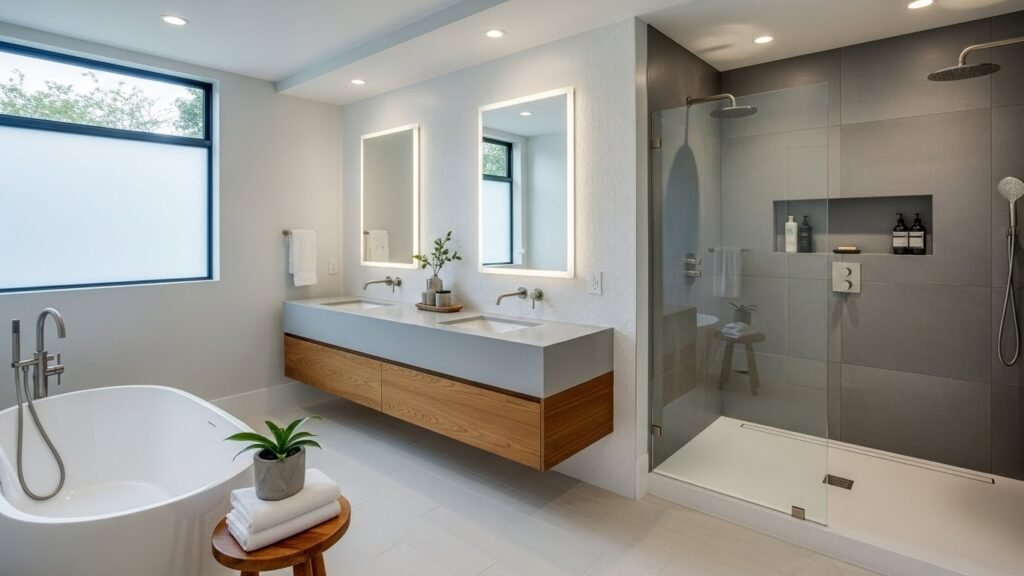
If you’re into clean lines and innovation, these ideas reflect current trends like minimalism and smart tech.
- Glass Mosaic Tiles: Shimmering glass in various colors for a contemporary feel. I used blue glass mosaics in a spa-inspired bath to evoke water ripples. Pros: Reflective and brightens small spaces; cons: Fingerprints show easily, so keep a cleaner handy.
- Metallic Finishes: Copper or stainless steel tiles for an industrial-modern aesthetic. In a city apartment, these added a sleek, metallic glow. At $20 per square foot, they’re durable but can dent if not handled carefully.
- LED-Lit Backsplashes: Integrate lighting for a high-tech vibe. I installed these in a smart home, where the lights changed colors via an app—perfect for mood setting. Pros: Energy-efficient; cons: Wiring adds complexity and cost (around $25 per square foot).
- Terrazzo Designs: A mix of chips in a solid base, like the trendy patterns in new builds. In a modern family bath, this created a polished, seamless look. Pros: Durable and low-maintenance; cons: It’s heavier, which might require reinforced walls.
- Bold Color Blocks: Vibrant tiles in single hues, like deep green or navy. I suggested this for a bold homeowner’s powder room; it cost about $10 per square foot but made a statement.
- Mirror Tiles: For illusions of space, especially in small bathrooms. In a compact urban en-suite, these doubled the perceived size. Pros: Affordable at $8 per square foot; cons: They scratch and show smudges quickly.
- Concrete Backsplashes: Polished concrete for an urban edge. From a warehouse-to-home conversion I worked on, this material aged gracefully. Pros: Customizable; cons: Can crack over time, as I’ve seen in older installations.
- Moroccan-Inspired Patterns: Intricate zellige tiles for exotic flair. I used these in a culturally inspired bath, costing $18 per square foot. Pros: Unique artistry; cons: Fragile and needs gentle handling.
- Textured Tiles: 3D designs that add depth, like wavy or ridged patterns. In a contemporary master bath, these created visual interest without clutter. Pros: Tactile appeal; cons: Harder to clean, which I’ve noted in high-traffic areas.
- Minimalist Neutral Tones: Subtle grays and beiges for a Scandinavian feel. This was a hit in a recent eco-friendly reno, keeping things calm and versatile at under $12 per square foot.
Unique and Eco-Friendly Options (Ideas 21-30)
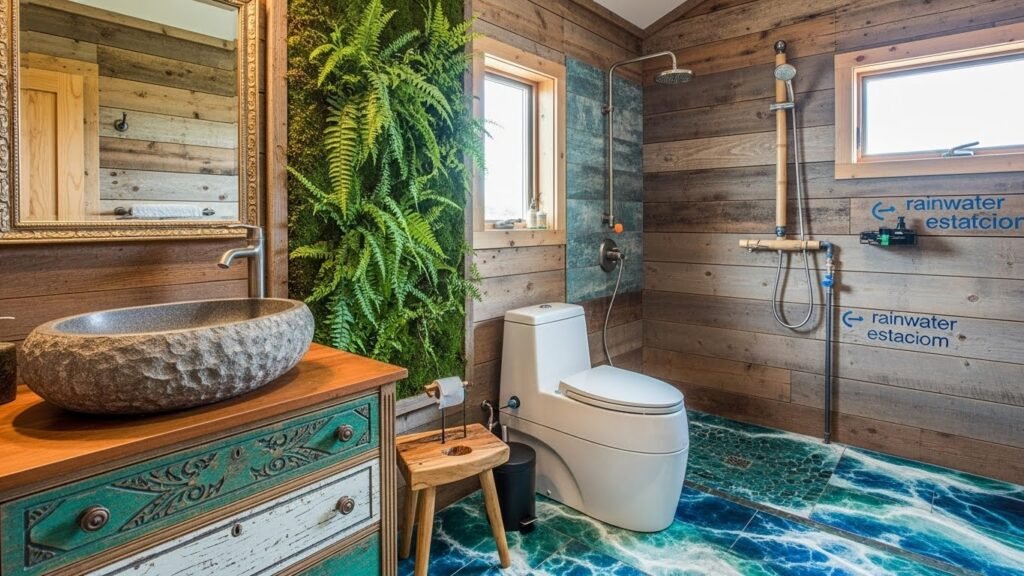
For those wanting something different, these ideas incorporate sustainability and creativity, reflecting the growing emphasis on green living.
- Peel-and-Stick Tiles: A renter-friendly choice with adhesive backing. I recommended these for a temporary fix in an apartment; they’re super affordable at $5 per sheet and easy to remove.
- Recycled Glass Tiles: Made from repurposed materials, perfect for eco-conscious folks. In a green building project, these added color while reducing waste. Pros: Sustainable; cons: Slightly more expensive at $15 per square foot.
- Wood Panel Backsplashes: Reclaimed wood for a natural, warm feel. I used this in a cabin-style bath, but emphasized sealing for moisture resistance. Pros: Eco-friendly; cons: Warps if not treated properly.
- Custom Murals: Hand-painted or printed designs for personalization. One client turned their backsplash into a ocean scene mural—it was a conversation starter at $30 per square foot.
- Bohemian Styles: Eclectic mixes of patterns and colors. In a creative studio apartment, this brought boho charm, though it required careful planning to avoid visual overload.
- Industrial Reclaimed Materials: Old factory tiles or metals for an authentic look. From an upcycled project, these added history but needed checking for lead paint.
- Eco-Resin Tiles: Made from plant-based resins, these are durable and green. I incorporated them in a sustainable home, costing about $20 per square foot.
- Wallpaper Backsplashes: Waterproof options for a quick update. In a budget reno, this saved time and money, but ensure it’s vinyl-coated to handle humidity.
- Painted Backsplashes: Simple chalkboard or epoxy paint for DIY fun. I did this in a kid’s bathroom for easy customization—pros: Cheap and flexible; cons: Peels if not prepped right.
- Biophilic Designs: Nature-themed tiles with leaf patterns or living walls. In a wellness-focused bath, these promoted calm, aligning with current mental health trends in home design.
Factors to Consider Before You Start
From my years in the trenches, I’ve learned that the best backsplash isn’t just about looks—it’s about fit. Budget-wise, expect to spend $200-2,000 depending on size and materials. Maintenance varies; for example, glass tiles wipe clean easily, but natural stone demands more care. Ethically, prioritize products from responsible sources to minimize environmental impact, like FSC-certified wood. And remember, limitations exist: In older homes, you might deal with uneven walls, which can complicate installations. Always consult a pro if you’re unsure, as I’ve seen DIY mishaps lead to costly fixes.
In conclusion, a backsplash is more than a practical addition—it’s a chance to express your style and make your bathroom a haven. Whether you’re drawn to the timeless appeal of subway tiles or the eco-innovation of recycled glass, there’s an option for every taste and budget. From my experience, starting with a clear vision and realistic expectations leads to the best results. If you’re planning a reno, take your time, measure twice, and enjoy the process—it’s one of those home projects that can truly refresh your daily routine.
FAQs
Q1: How much does a bathroom backsplash typically cost?
A: Costs range from $200 for basic DIY options to over $2,000 for custom designs, depending on materials and size.
Q2: Are backsplashes easy to install myself?
A: Simple ones like peel-and-stick tiles are beginner-friendly, but complex designs often require professional help to ensure they’re waterproof.
Q3: What materials are best for a humid bathroom?
A: Go for non-porous options like ceramic, glass, or sealed stone to prevent mold and damage.
Q4: Can I use a backsplash in a small bathroom?
A: Absolutely—light-colored or mirrored designs can make the space feel larger and more open.
Q5: How do I maintain my backsplash?
A: Regular wiping with a mild cleaner works for most; avoid harsh chemicals on delicate materials like marble.
Q6: Are there eco-friendly backsplash options?
A: Yes, recycled glass and reclaimed wood are great sustainable choices that don’t compromise on style.
Q7: Should I match my backsplash to my countertops?
A: Not always—contrasting textures can add visual interest, but ensure they complement the overall room theme.