
I’ve always believed that the best homes aren’t the biggest ones—they’re the ones that feel like you. Over the years, helping friends renovate tiny apartments in crowded cities and tweaking my own compact places, I’ve learned that small home decor doesn’t have to mean compromise. It’s about clever tricks, personal touches, and making every inch count.
Whether you’re in a studio apartment, a cozy starter home, or just dealing with a cramped room, these ideas can open things up, add personality, and turn “limited space” into “intentional charm.”
1. Embrace Multifunctional Furniture
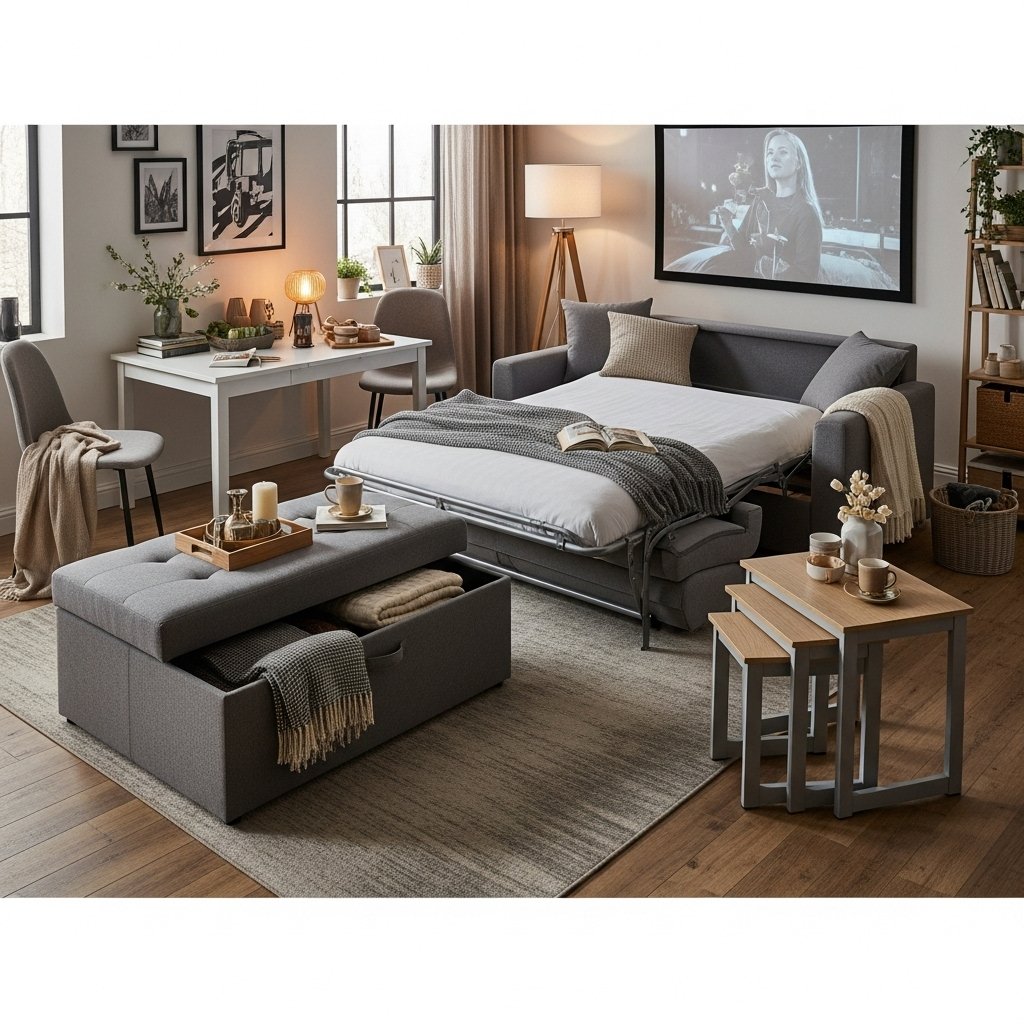
Start with the basics: furniture that pulls double duty. In one friend’s 400-square-foot studio, we swapped a bulky coffee table for an ottoman with hidden storage—it seats guests, holds blankets, and even extends into a guest bed on movie nights. Look for sofa beds, extendable dining tables, or nesting tables. They’re game-changers for tiny homes without sacrificing style.
2. Layer Lighting for Depth and Mood
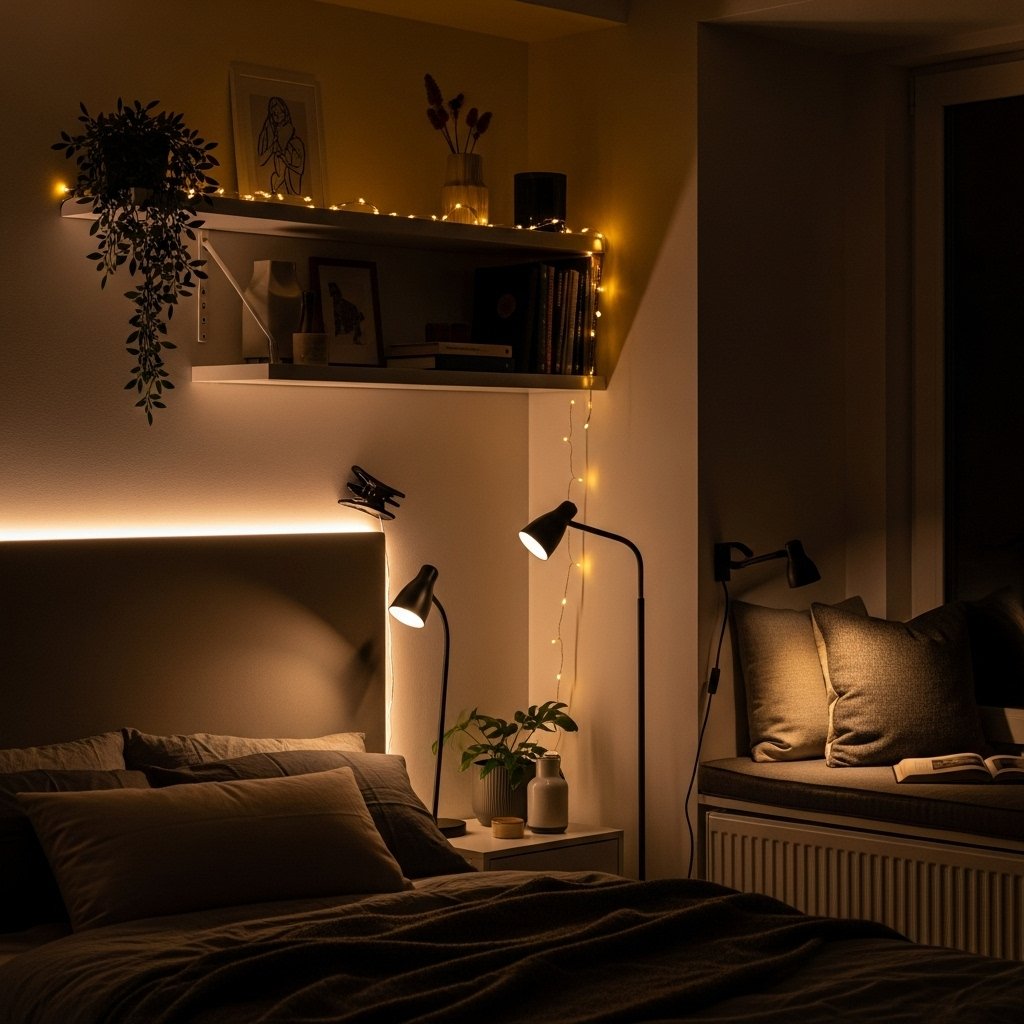
Harsh overhead lights make small rooms feel like interrogation rooms. Instead, layer ambient, task, and accent lighting. String fairy lights along shelves, add a floor lamp with a slim profile, or clip-on spots for reading nooks. I once strung warm LED strips behind a headboard in a dark bedroom—it created instant coziness without taking floor space.
3. Use Mirrors to Create Illusions of Space
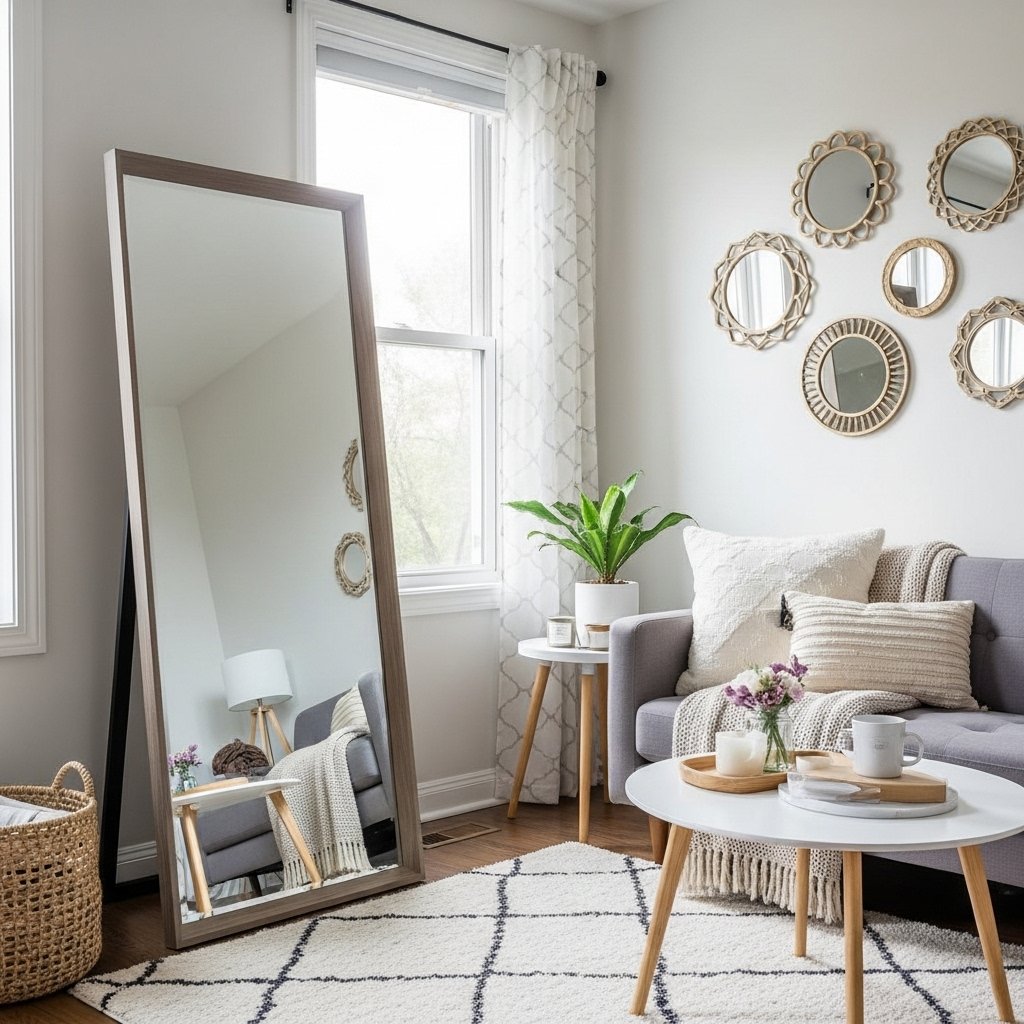
This is classic for a reason. A large mirror opposite a window bounces light around, making rooms feel twice as big. Go for oversized leaning mirrors or a gallery of smaller ones. In my old apartment, a full-length mirror on a narrow wall tricked visitors into thinking there was an extra room.
4. Build a Statement Gallery Wall
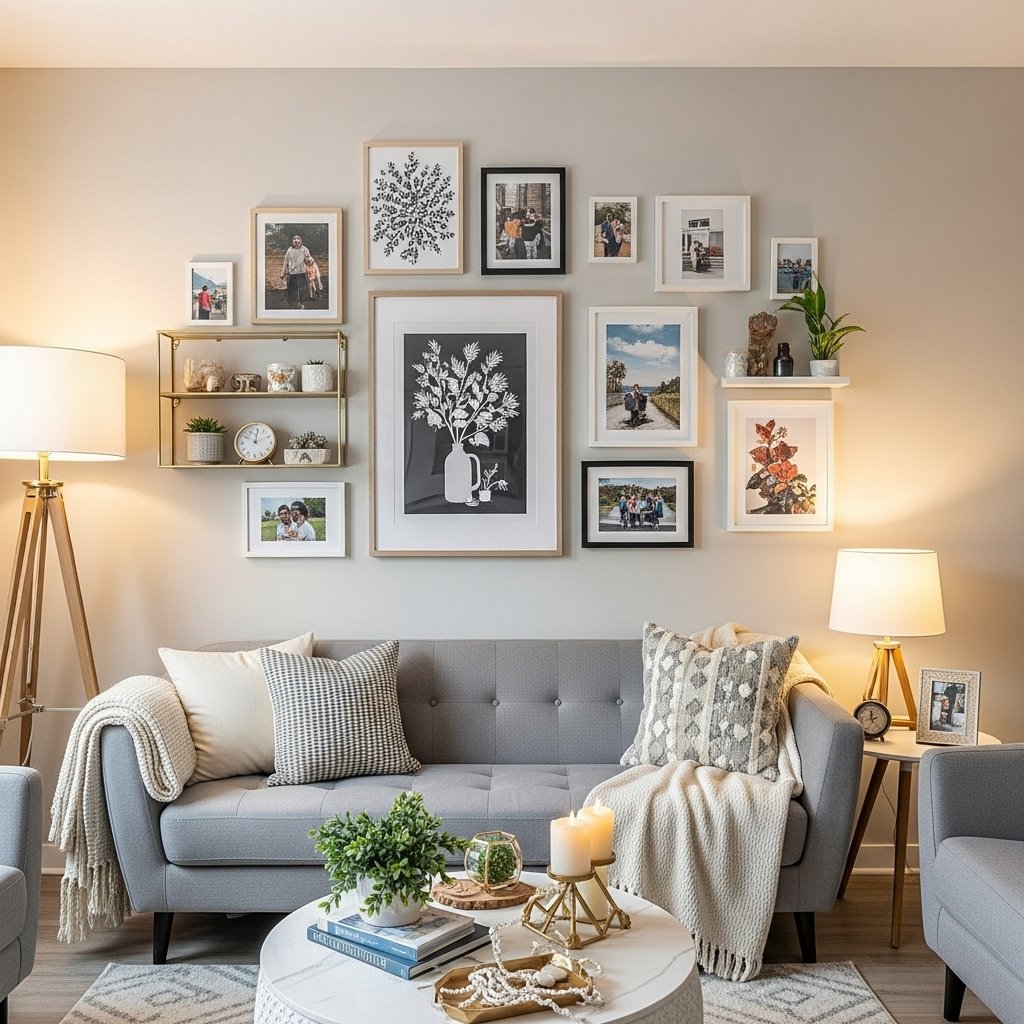
Blank walls are wasted opportunities. Curate a mix of framed photos, prints, and small shelves for a personalized focal point. Keep it cohesive with similar frames or a color theme. One client in a rental used command strips for a no-damage setup that evolved over time—adding travel souvenirs made it feel lived-in fast.
5. Bring in Greenery with Vertical Plants
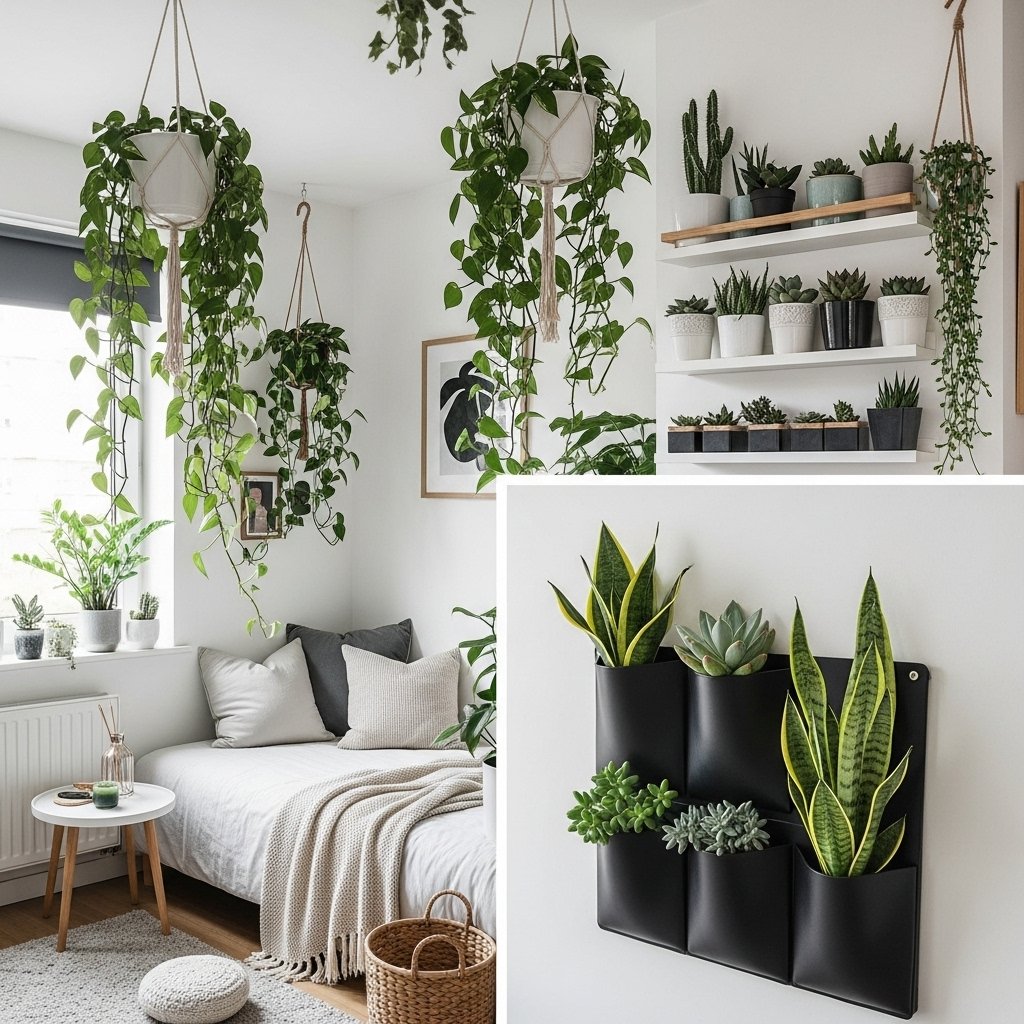
Plants breathe life into small spaces, but floor pots eat square footage. Hang trailing pothos from ceilings, mount shelves for succulents, or use wall pockets. Low-maintenance options like snake plants thrive in low light. Just remember: overwatering kills more houseplants than neglect, so start small if you’re new to this.
6. Opt for Light, Neutral Color Palettes
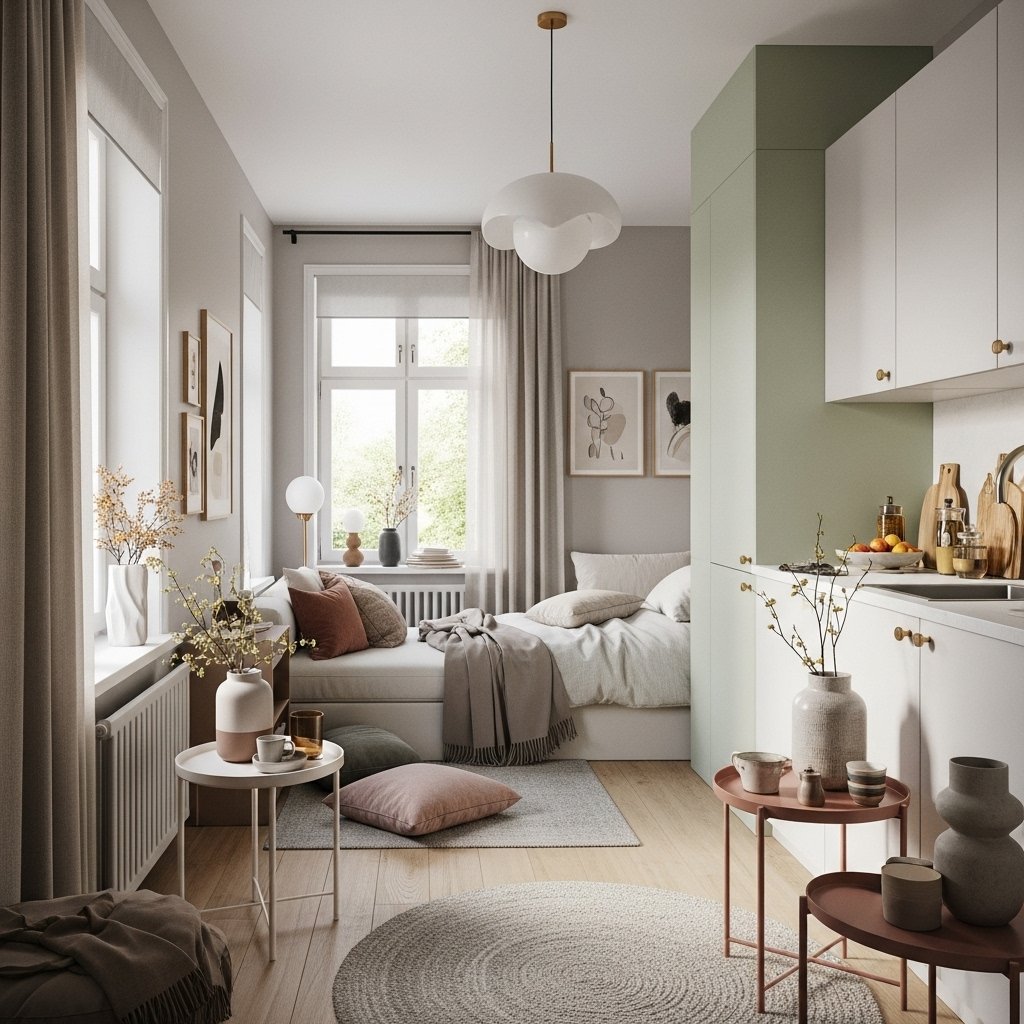
Dark walls can work in small spaces for drama, but lights and neutrals reflect more light and open things up. Soft grays, beiges, or whites on walls, then add pops of color with accessories. I repainted a tiny kitchen in pale sage green—it felt airy yet warm.
7. DIY Custom Wall Art
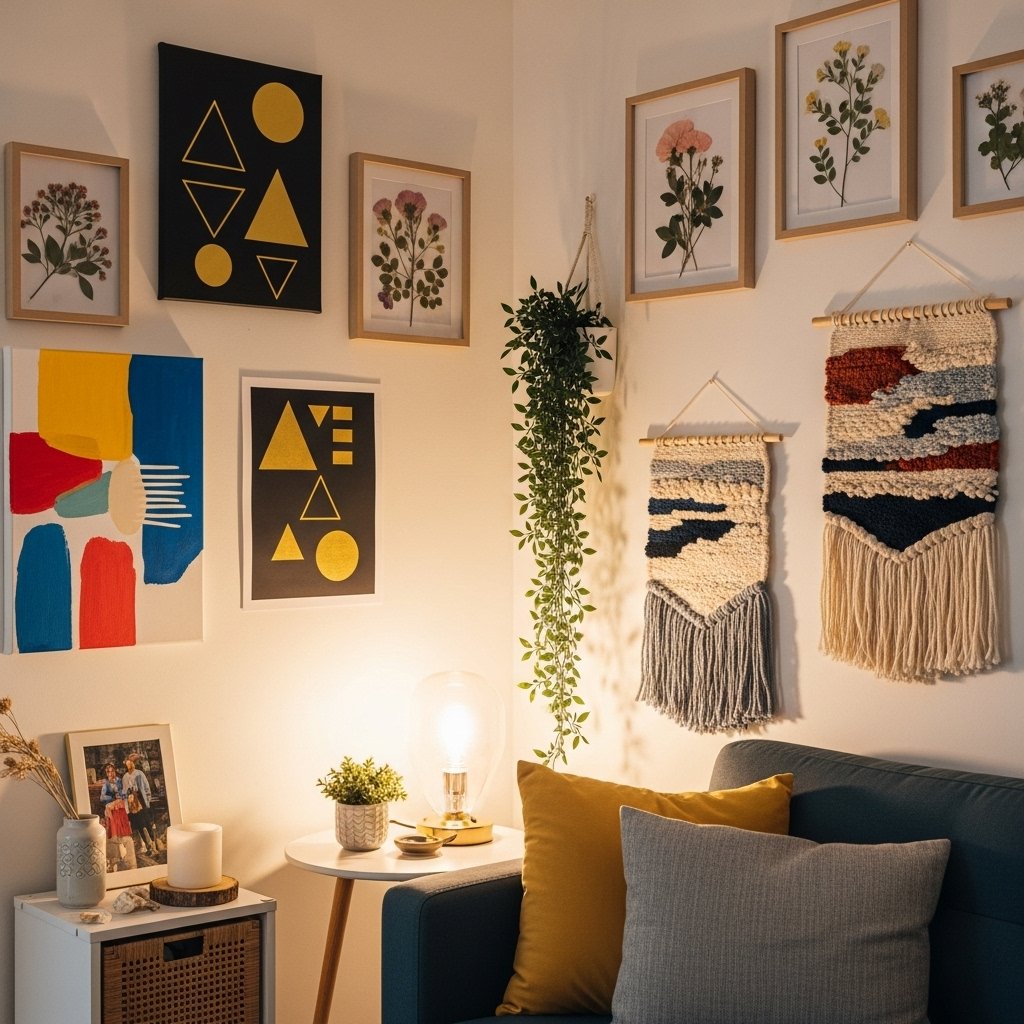
Store-bought art gets expensive quick. Try abstract paintings on canvas with acrylics, pressed flower frames, or woven yarn tapestries. A weekend project in my living room: simple geometric shapes in gold on black paper—cost under $20 and got tons of compliments.
8. Maximize Vertical Storage
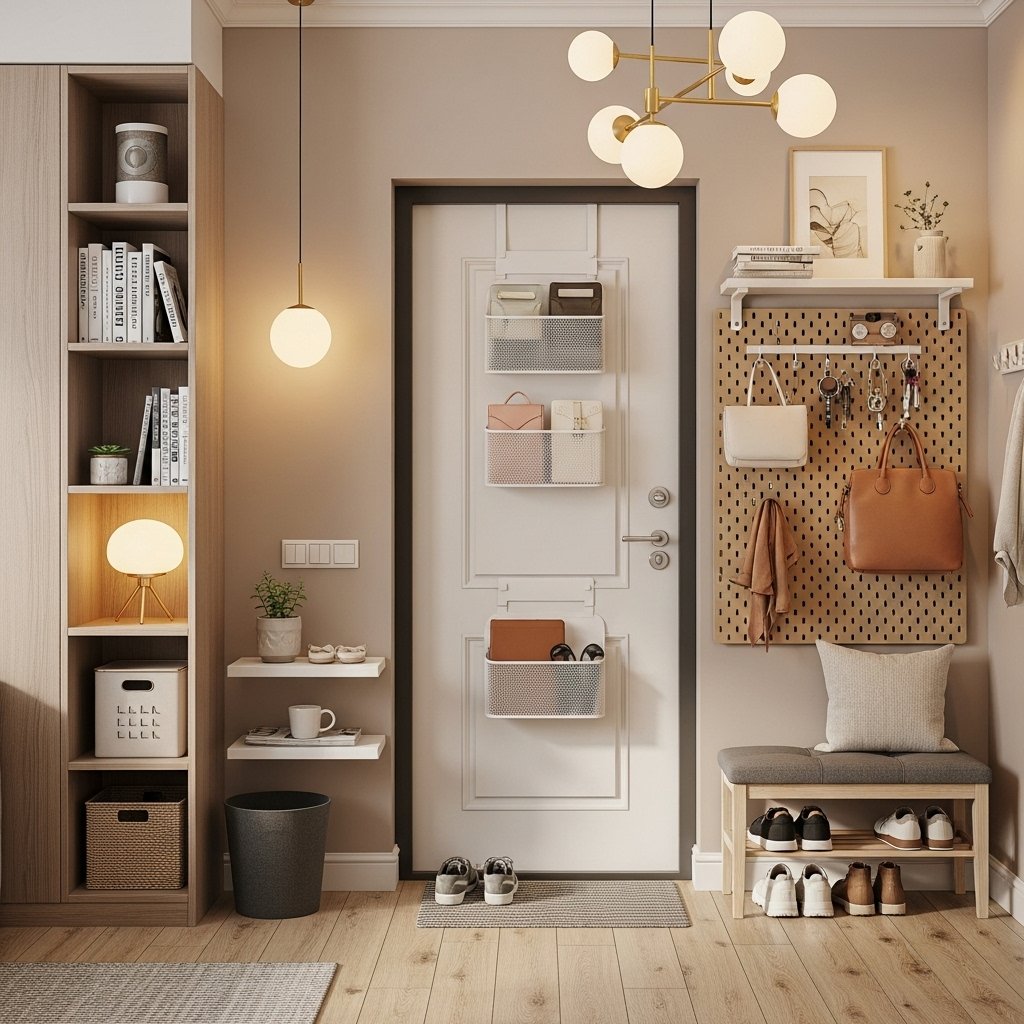
Think up, not out. Tall bookcases, over-door organizers, or floating shelves keep floors clear. In a cluttered entryway I organized, pegboards held keys, bags, and even shoes—freed up so much visual space.
9. Add Texture with Rugs and Textiles

A well-placed rug defines zones in open-plan small homes. Layer a jute base with a softer wool one for dimension. Throw pillows and blankets in varied fabrics (linen, velvet) add coziness without permanence.
10. Install Floating Shelves Everywhere
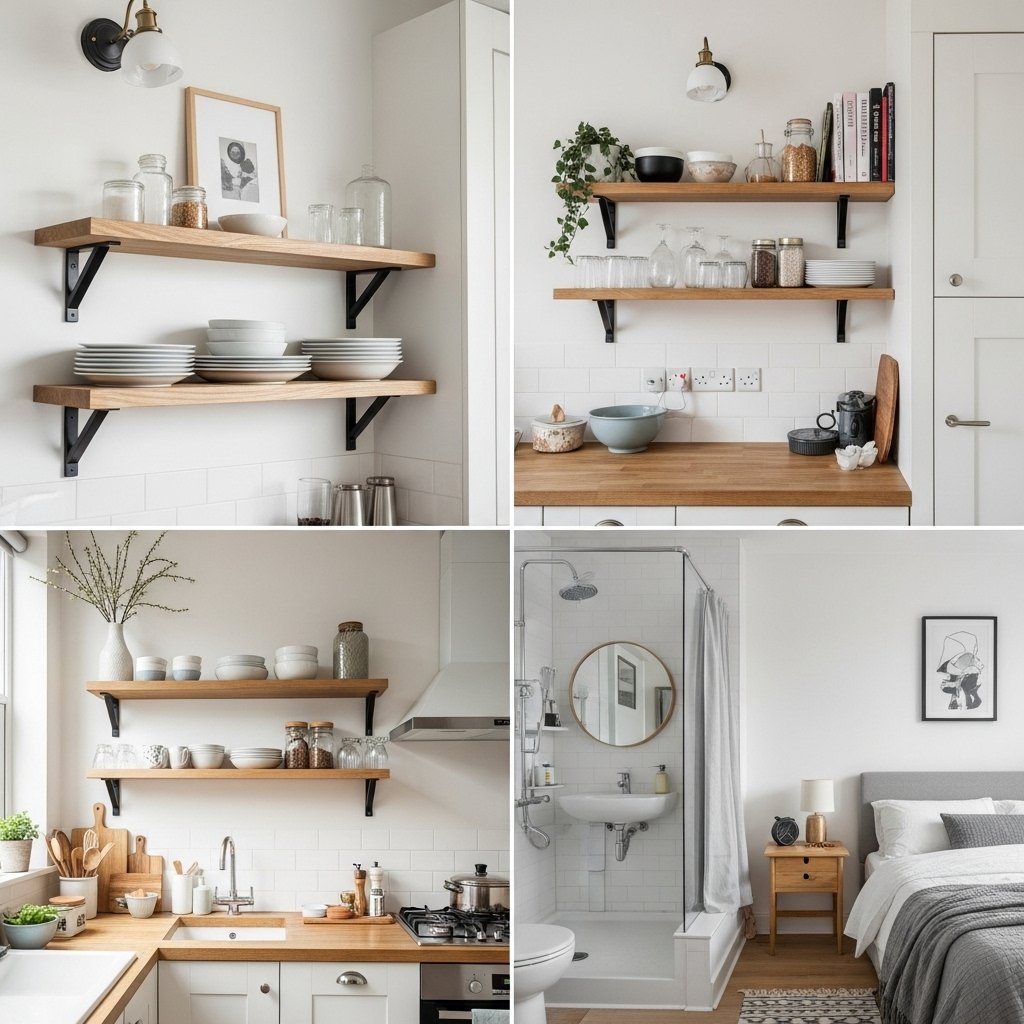
Perfect for kitchens, bathrooms, or bedrooms. Display pretty dishes, books, or decor—keeps counters clear. Pro tip: anchor them properly; I’ve seen poorly installed ones crash spectacularly.
11. Choose Slim, Leggy Furniture
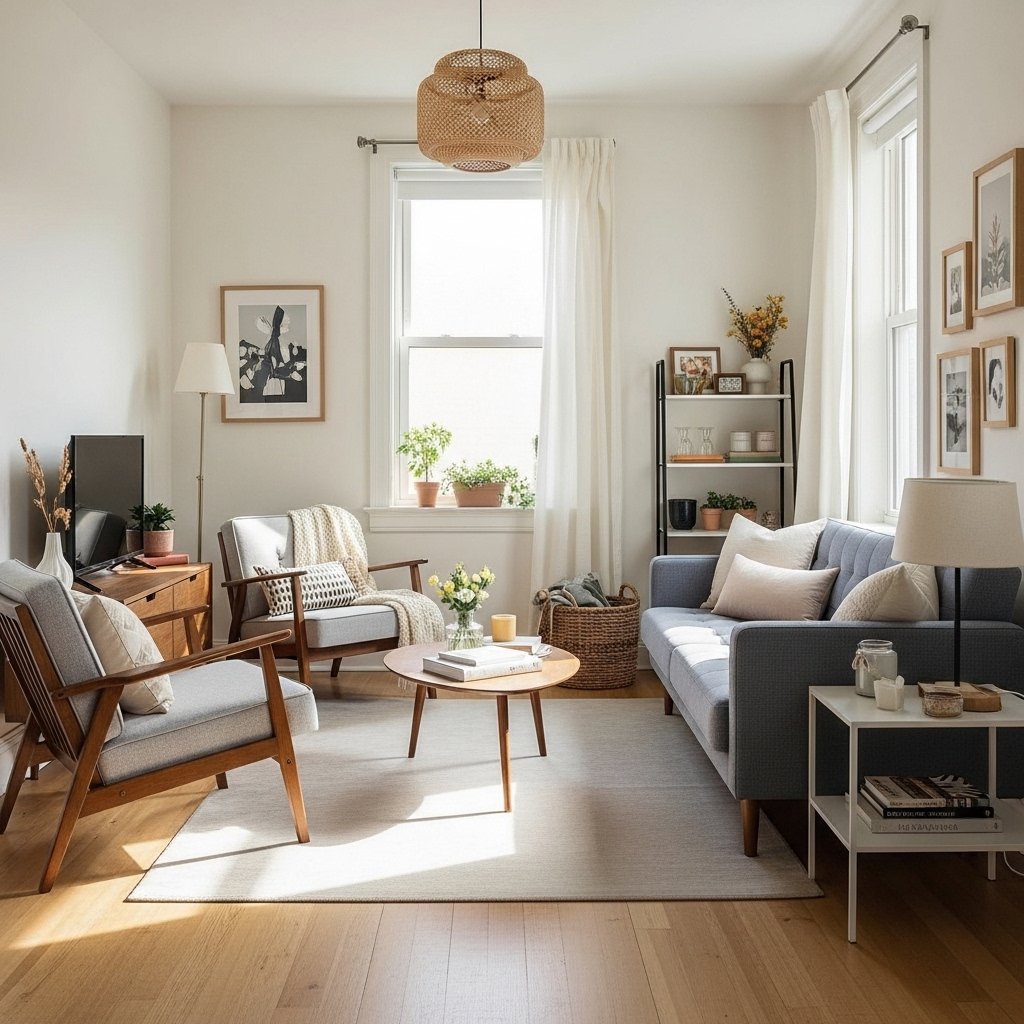
Pieces with exposed legs let light flow underneath, making rooms feel less boxed in. Mid-century modern styles nail this. Avoid chunky sectionals if space is tight.
12. Create Zones with Curtains or Screens
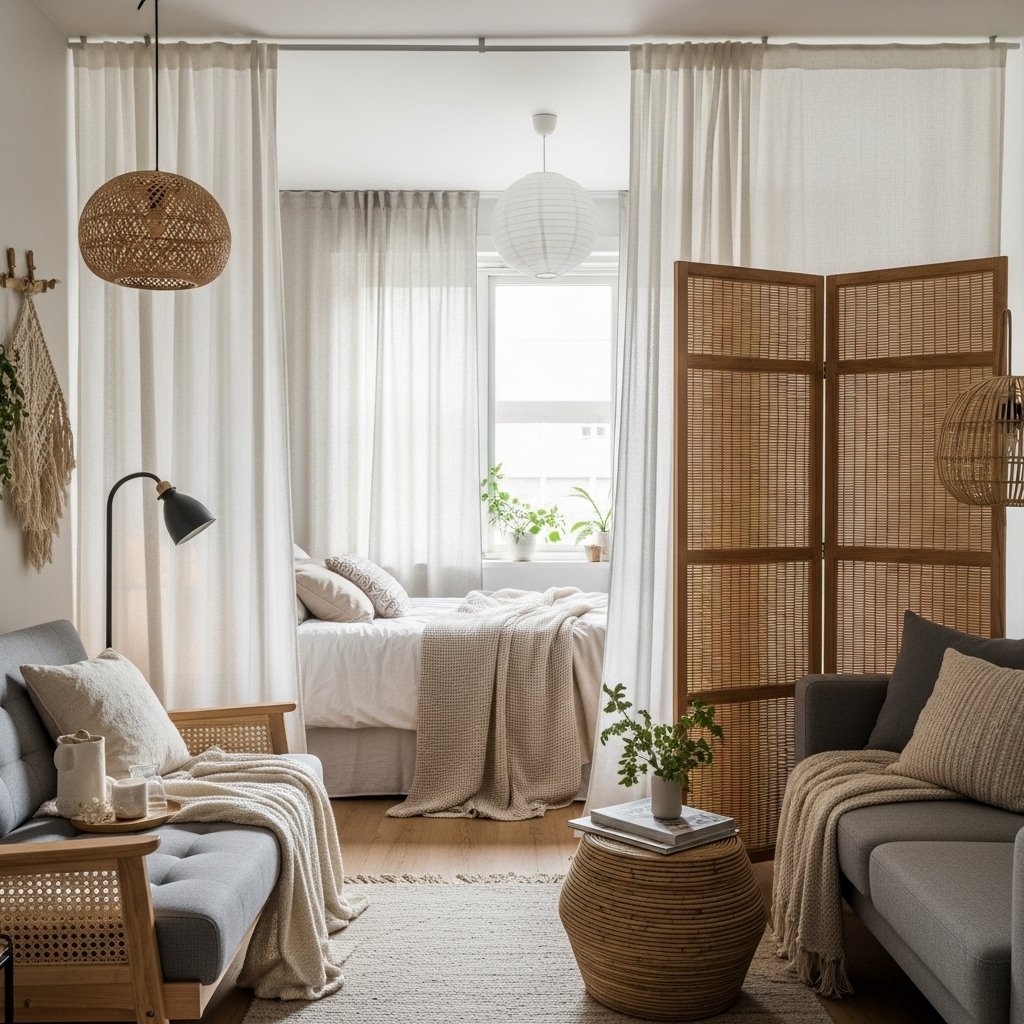
In studios, sheer curtains or folding screens separate sleeping from living areas without permanent walls. It’s flexible and adds softness.
13. Incorporate Metallic Accents
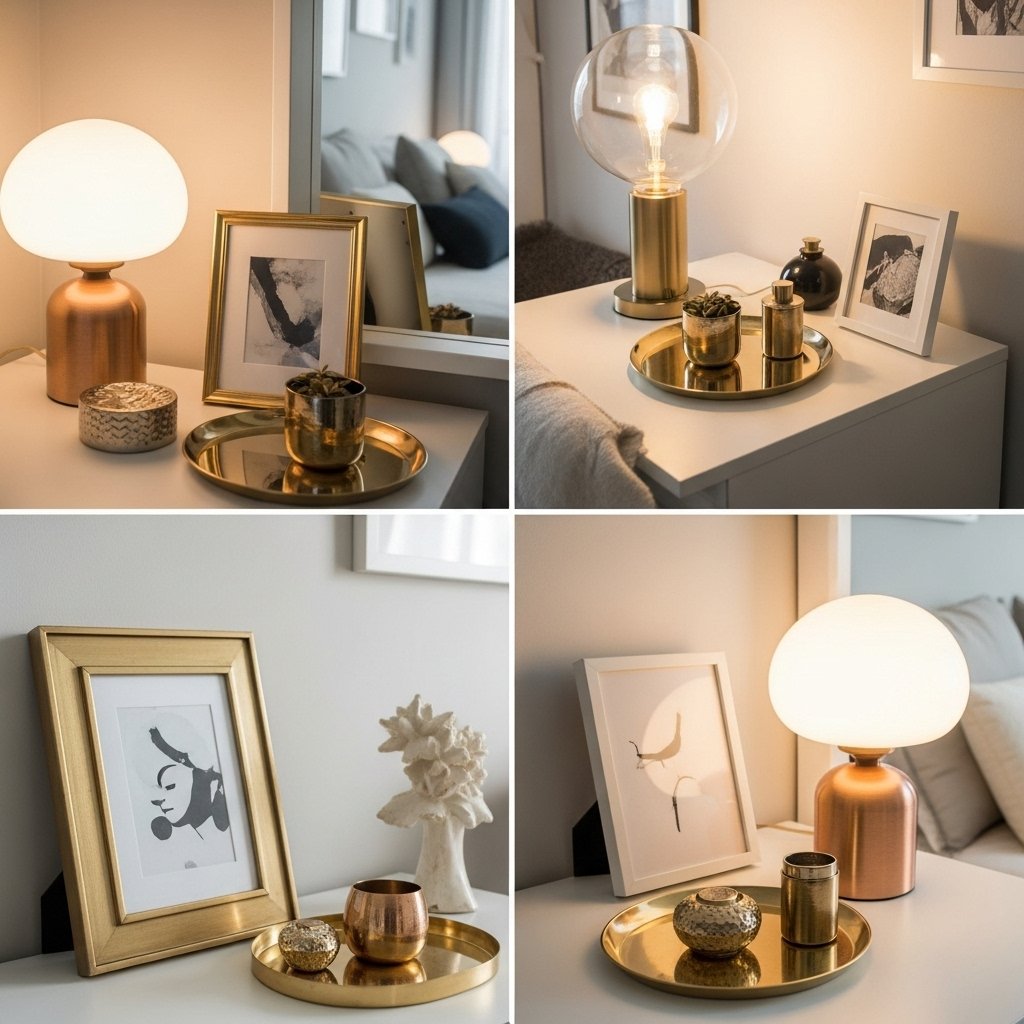
Gold, brass, or copper touches reflect light beautifully. Think picture frames, lamp bases, or trays. Balances minimalist schemes nicely.
14. Use Baskets for Stylish Storage
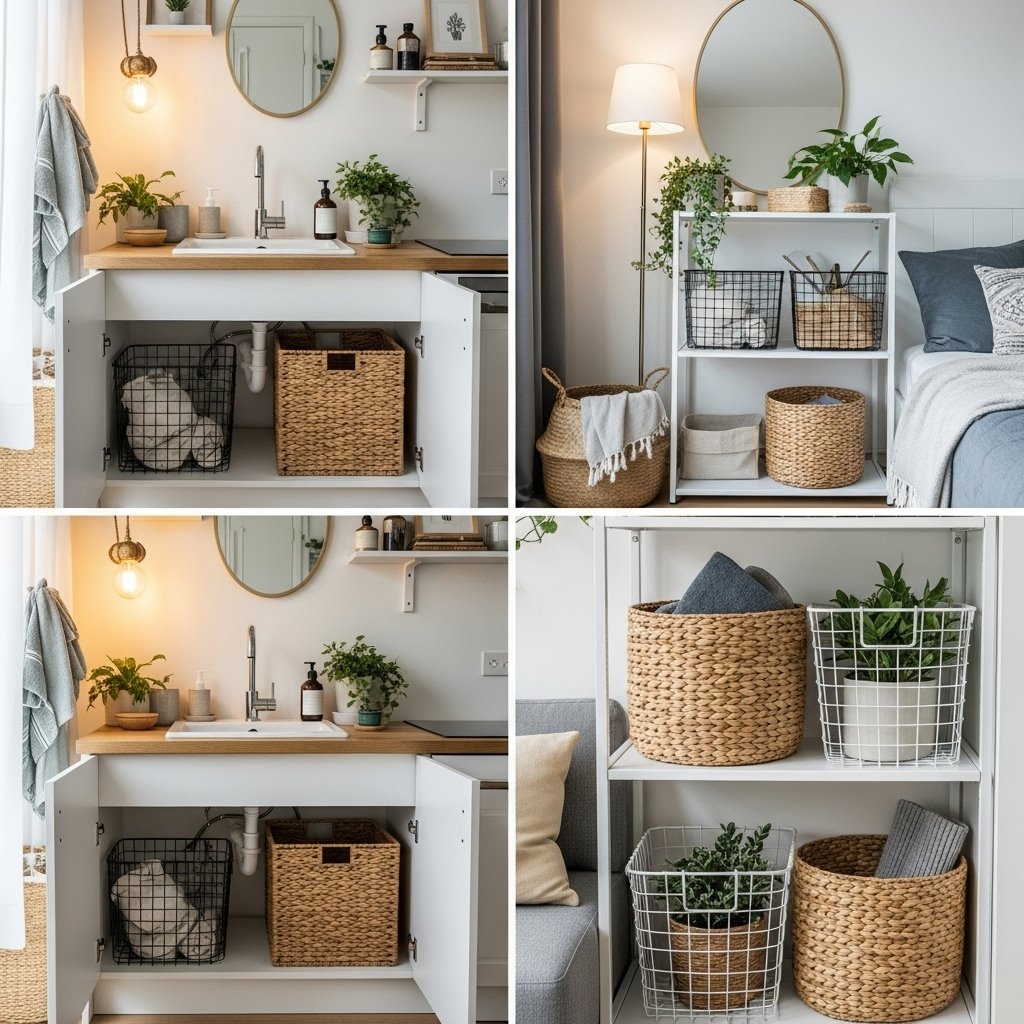
Woven seagrass or wire baskets hide clutter while looking intentional. Under sinks, on shelves, or as plant holders—they’re versatile and eco-friendly.
15. Hang Art High for Height Illusion
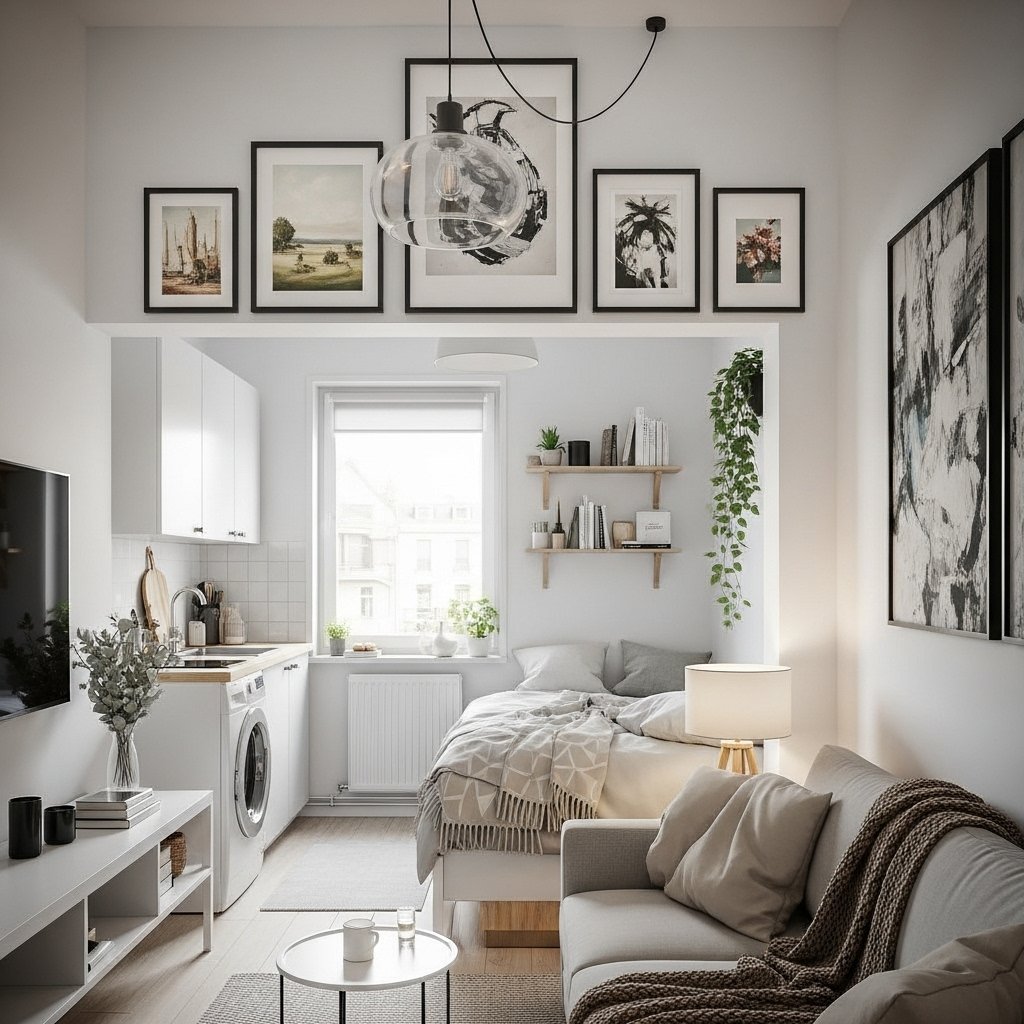
Position pieces slightly above eye level to draw the gaze upward, making ceilings feel taller.
16. Declutter Ruthlessly (The KonMari Way)

Sometimes the best decor is less stuff. Edit seasonally; what doesn’t spark joy goes to donation. Transformed many overwhelmed spaces this way.
17. Add a Bold Accent Wall
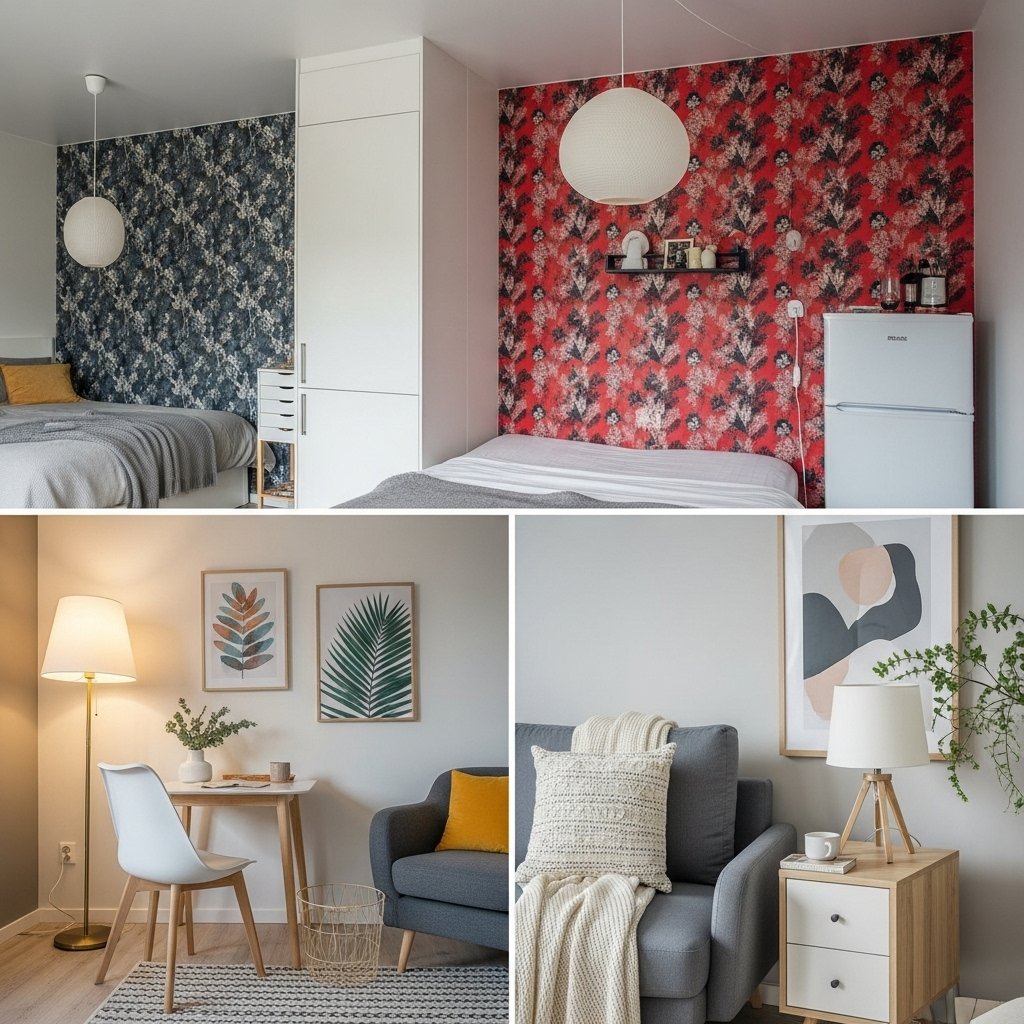
One painted or wallpapered wall adds depth without overwhelming. Removable wallpaper is rental-friendly gold.
18. Use Under-Bed Storage Creatively
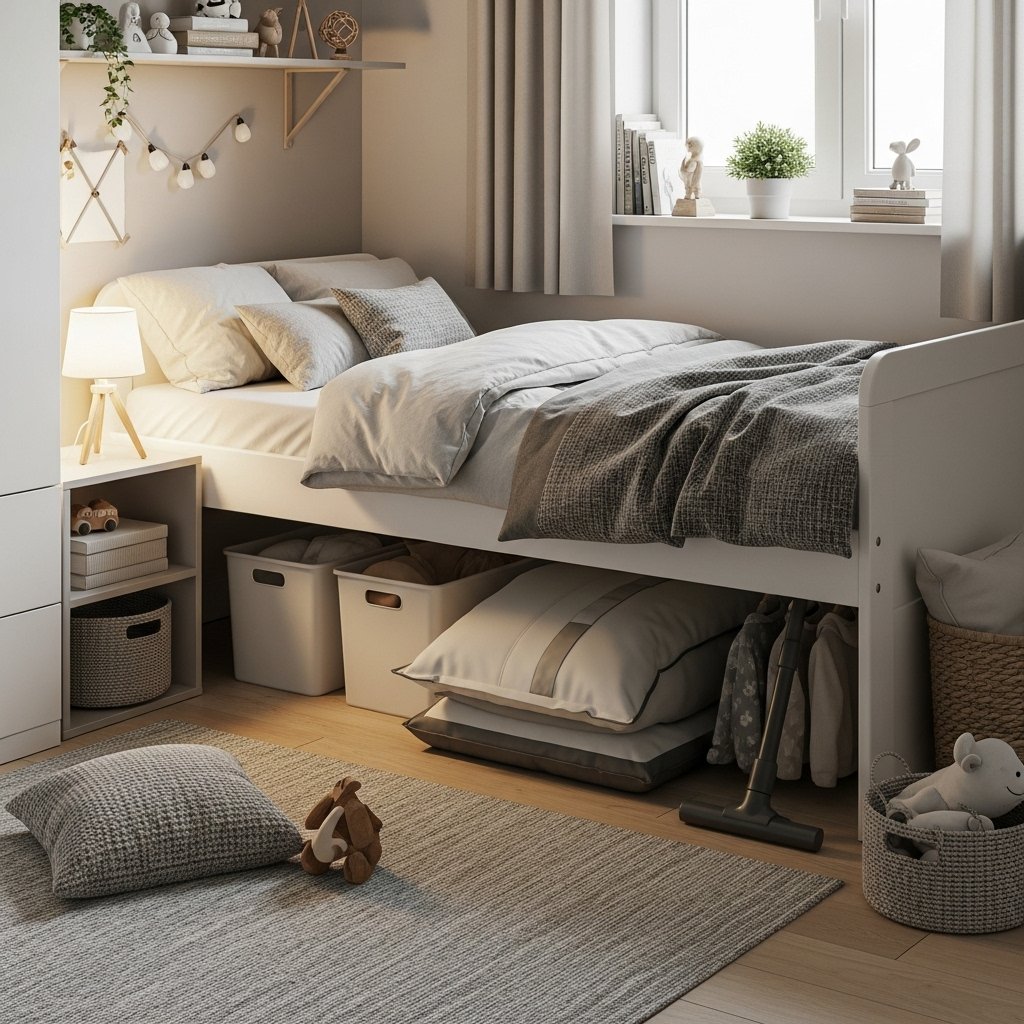
Bins, drawers, or vacuum bags for off-season clothes. In kid rooms, it’s a lifesaver.
19. Experiment with Peel-and-Stick Tiles

Instant backsplash updates in kitchens or bathrooms. Easy removal for renters, and patterns abound online.
20. Personalize with Scent and Sound
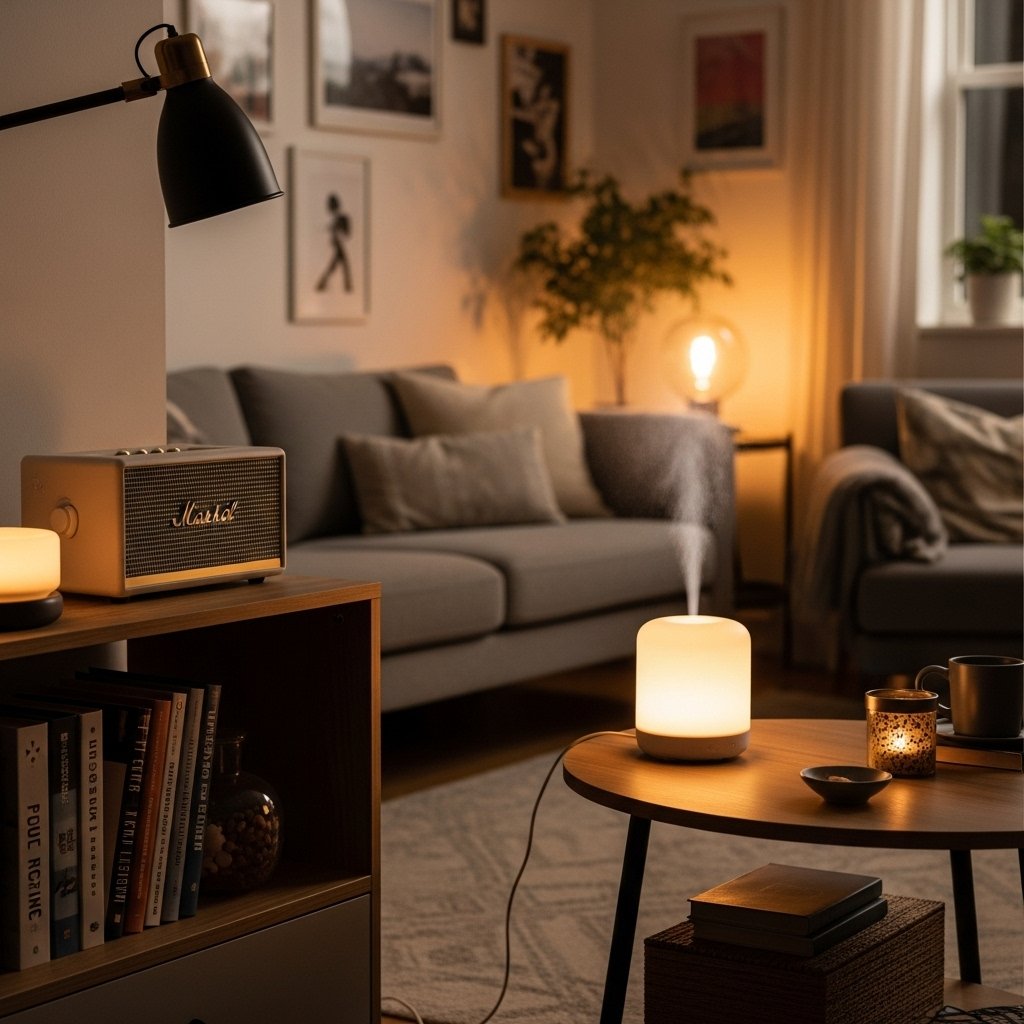
Subtle diffusers or a small speaker for playlists. It’s not visual, but it completes the “transformed” feel—homes should engage all senses.
These ideas have worked wonders in real small homes I’ve touched, from urban rentals to suburban downsizes. Start with one or two that excite you most; changes compound. Budget-wise, thrift and DIY keep costs low, but invest in quality where it matters (like a good mattress in a small bedroom). Sustainability note: opt for secondhand or natural materials when possible—it reduces waste and often looks better with age.
Your space is a reflection of you, so have fun experimenting. What’s one small home decor idea you’re trying next?