

Let’s be honest: the word “modern” in home decor can feel intimidating. It conjures images of cold, sterile rooms where you’re afraid to put down a coffee mug. But true modern style, as I’ve come to understand it through years of renovating my own spaces and advising friends, isn’t about austerity. It’s about intention. It’s about stripping away the clutter to highlight what you truly love, creating a home that feels both calm and characterful.
Based on that philosophy, here are 15 practical, stylish ideas to bring a contemporary yet warm feel to your house. These aren’t just trends; they’re principles for building a space that lasts.
1. Embrace the “Japandi” Hybrid
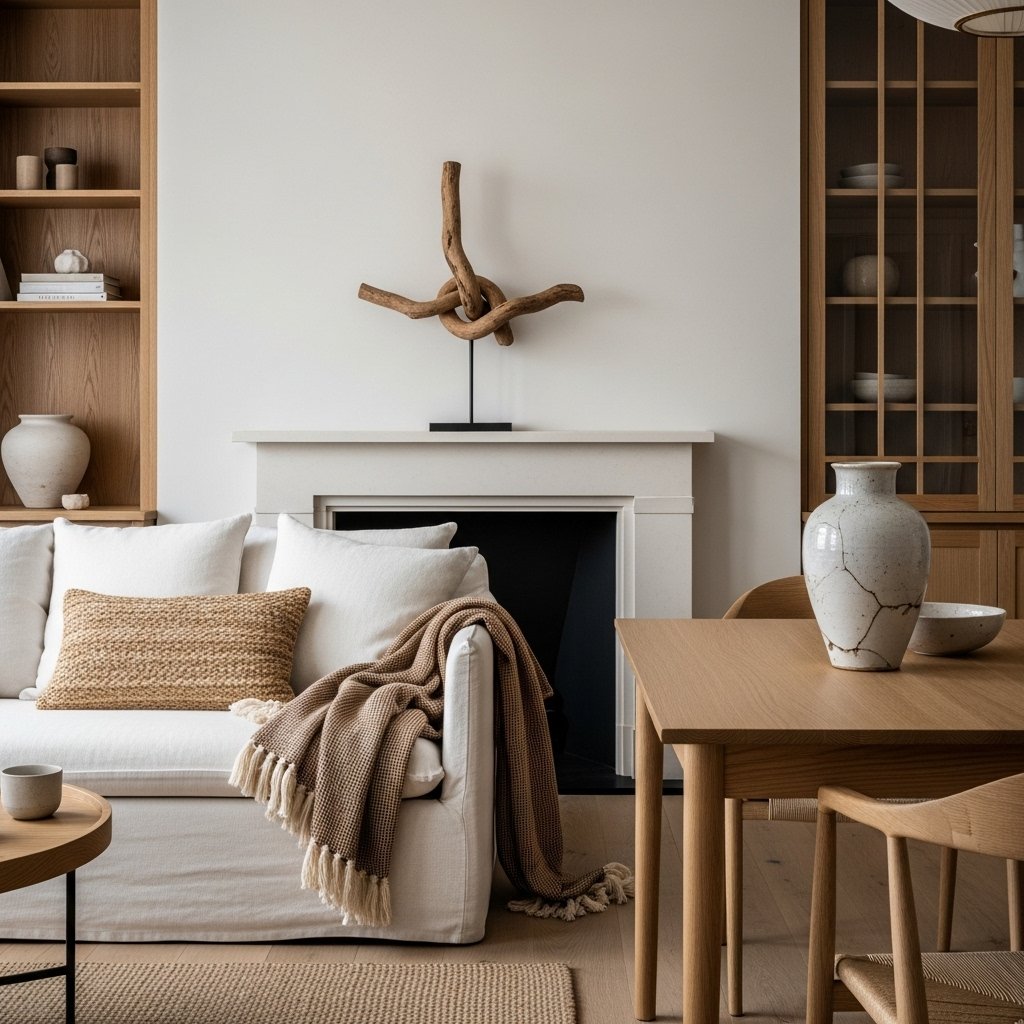
One of the most significant shifts I’ve seen is the blending of Scandinavian hygge with Japanese wabi-sabi. This isn’t just about buying a low-profile sofa. Japandi focuses on natural materials, craftsmanship, and imperfect beauty. Think a sleek, light oak dining table paired with a hand-thrown, glazed ceramic vase. The warmth of Scandinavian textiles meets the restrained elegance of Japanese joinery. In my living room, this looks like a linen slipcover on a clean-lined sofa, accented with a single, beautifully knotted piece of driftwood on the mantel. The result is serene, not stark.
2. Invest in Statement Lighting (But Not Where You Think)

Forget the generic drum pendant. Modern lighting is about sculptural impact. I’ve learned that the entryway or a dark corner is the perfect place for a bold piece. A single, oversized paper lantern, a kinetic mobile-style chandelier, or a geometric floor lamp can define a space instantly. The key is to treat light fixtures as functional art. In my own hallway, a large, orb-shaped pendant doesn’t just illuminate; it creates a dramatic first impression and sets the tone for the whole house.
3. Practice the “Two-Thirds” Art Rule
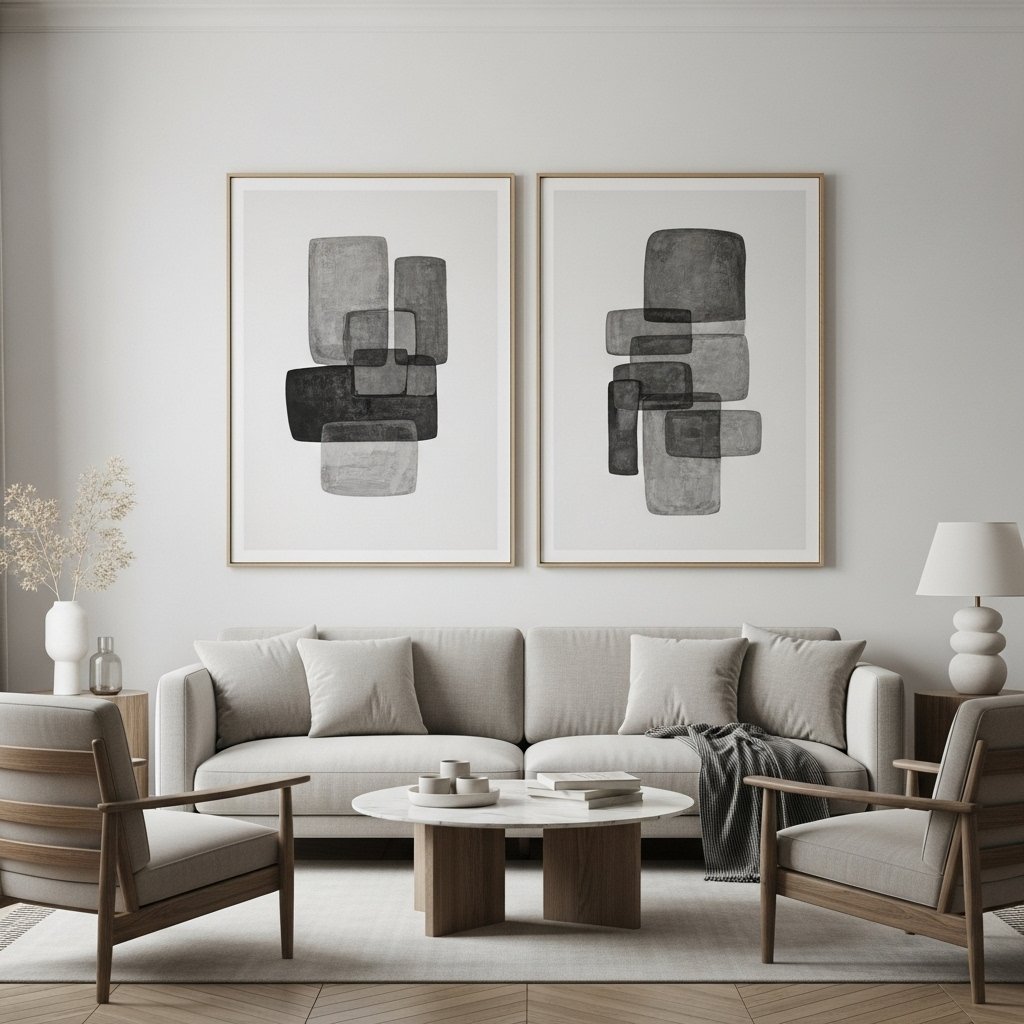
Gallery walls can feel busy. A cleaner, more modern approach is the curated pair or trio. Hang two large-scale pieces together, or three pieces of varying sizes but with a unifying theme (like similar frames or a monochromatic palette). Leave significant “breathing room” around them. I once helped a client replace a wall of 15 small frames with two large, abstract canvases. The room instantly felt larger and more focused. The art became a destination, not background noise.
4. Introduce Curved Furniture and Architecture

The straight lines of mid-century modern are getting a soft counterpoint. To combat the “boxy” feel of many modern homes, introduce curves. A plush, crescent-shaped sofa, a round-backed armchair, or an arched floor mirror can break up right angles beautifully. I recently added a bouclé-covered armchair with a rounded back to my office nook. It softened the entire room and created a cozy reading spot that feels intentionally designed, not just placed.
5. Master the Monochrome Room (With Texture)
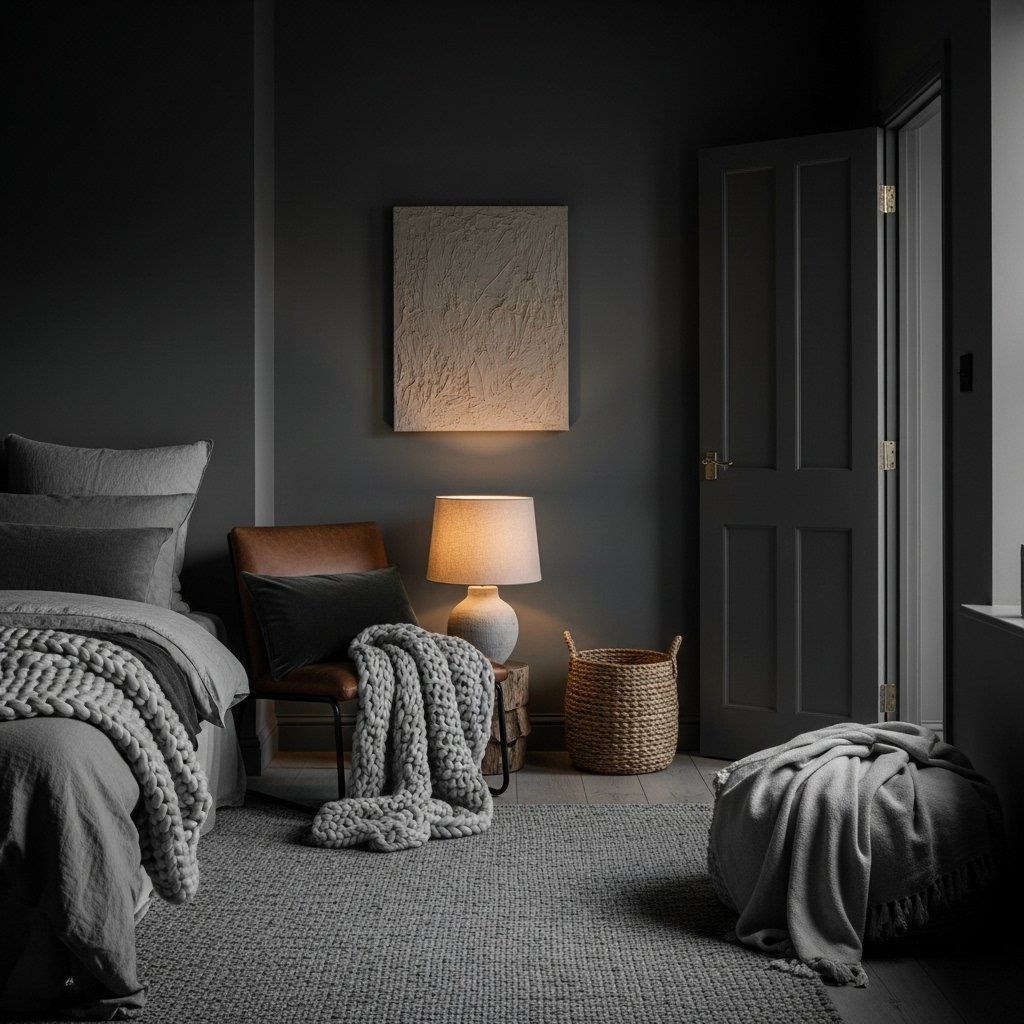
Painting a room a single color is a powerful move, but the magic is in the texture. A slate grey bedroom becomes a sanctuary when you layer a wool throw, linen bedding, a nubby rug, and matte-finish walls. I painted my study a deep, moody green and then layered in a leather chair, a velvet cushion, a raw silk lampshade, and a seagrass basket. The single color palette feels cohesive and deep, while the textures keep it from falling flat.
6. Go Beyond Paint with Wall Treatments
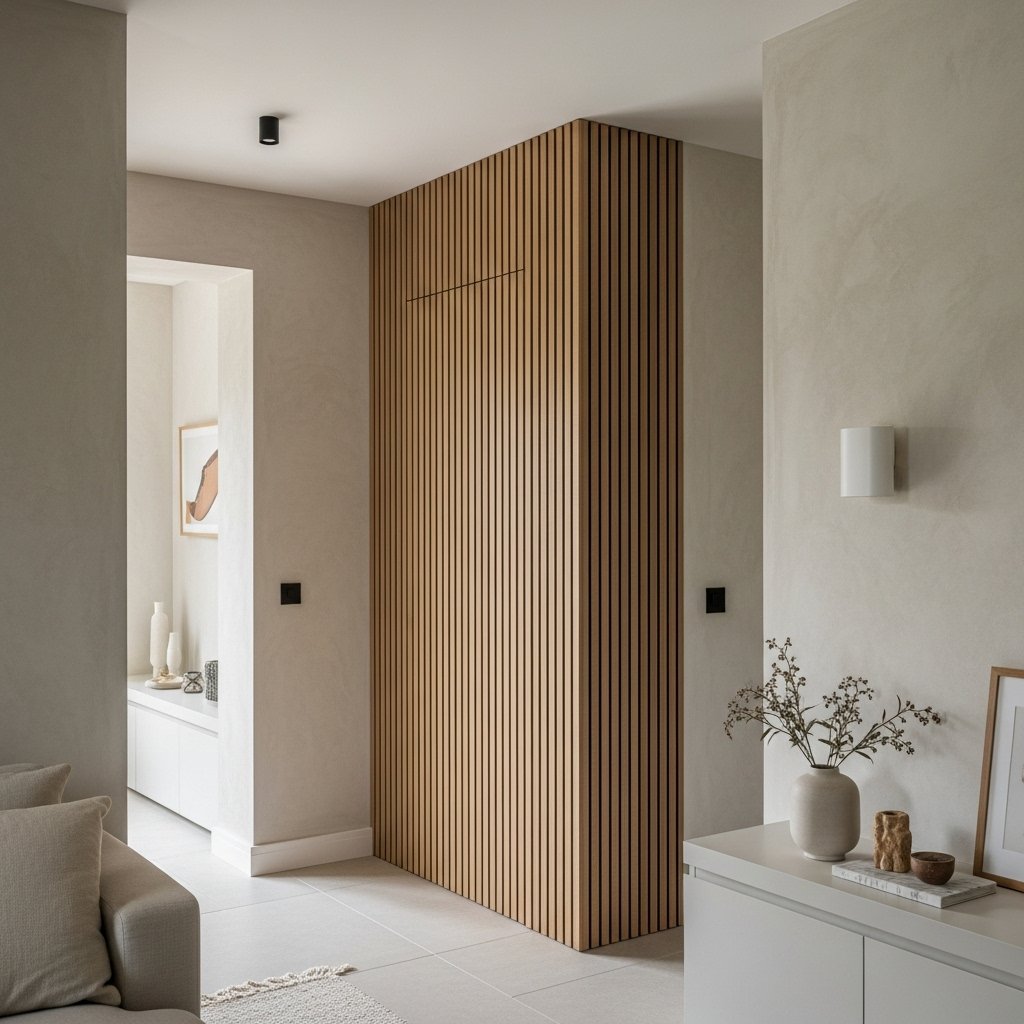
Modern walls are rarely just flat paint. Consider limewash or clay plaster for a subtly tactile, organic feel with natural variation. Wall paneling, especially vertical or fluted designs, adds architectural interest without ornamentation. In a recent project, we used vertical, floor-to-ceiling oak slats on one accent wall. It added warmth, rhythm, and a custom-built feel that paint alone could never achieve.
7. Design a “Moment” Shelf
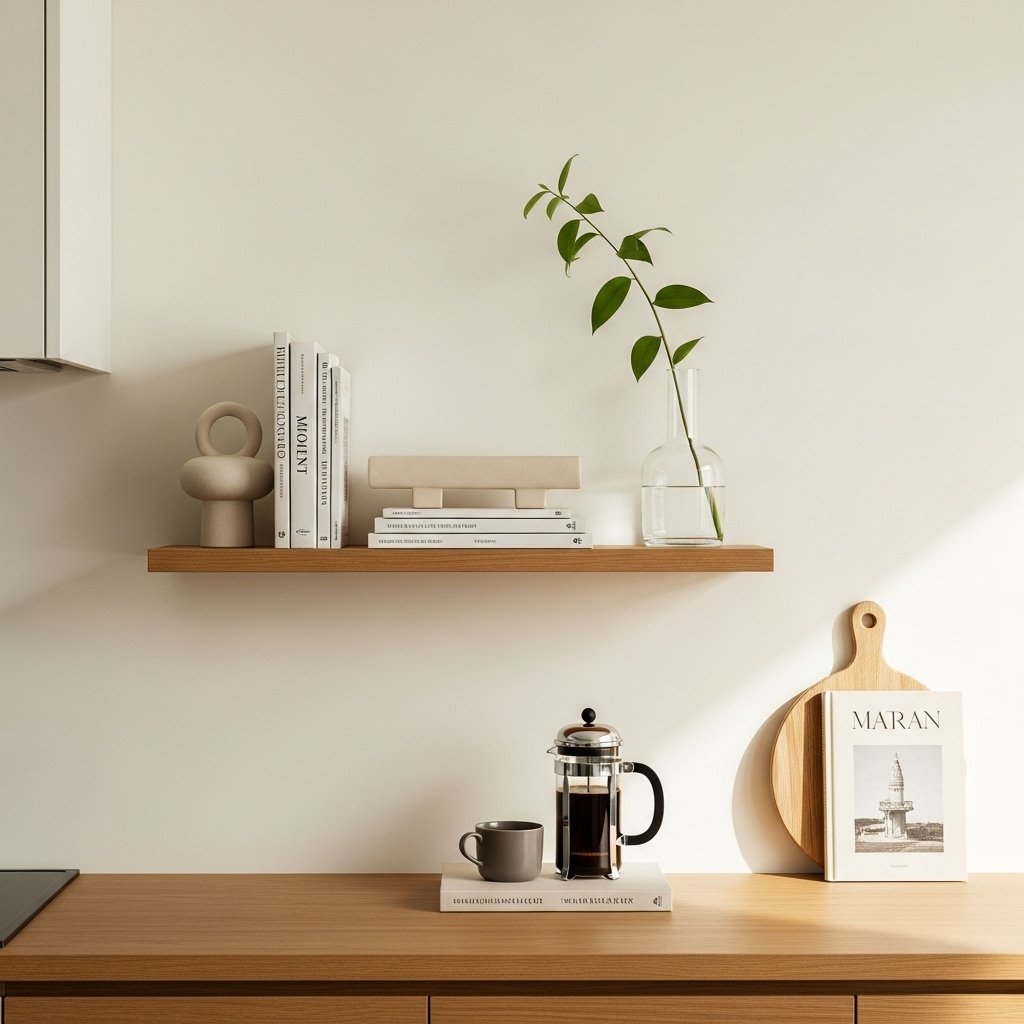
Instead of scattering knick-knacks everywhere, dedicate a single floating shelf or a small wall niche to a carefully composed vignette. Use the rule of three: combine something vertical (a small stack of books), something horizontal (a small sculpture), and something organic (a stem in a vase). Change it seasonally. This satisfies the urge to display treasured items without creating visual clutter. My kitchen “moment” shelf holds my favorite vintage French press, a propagating pothos plant in a simple glass, and a small art book—a tiny snapshot of my daily rituals.
8. Choose Smart, Integrated Tech (Invisibly)
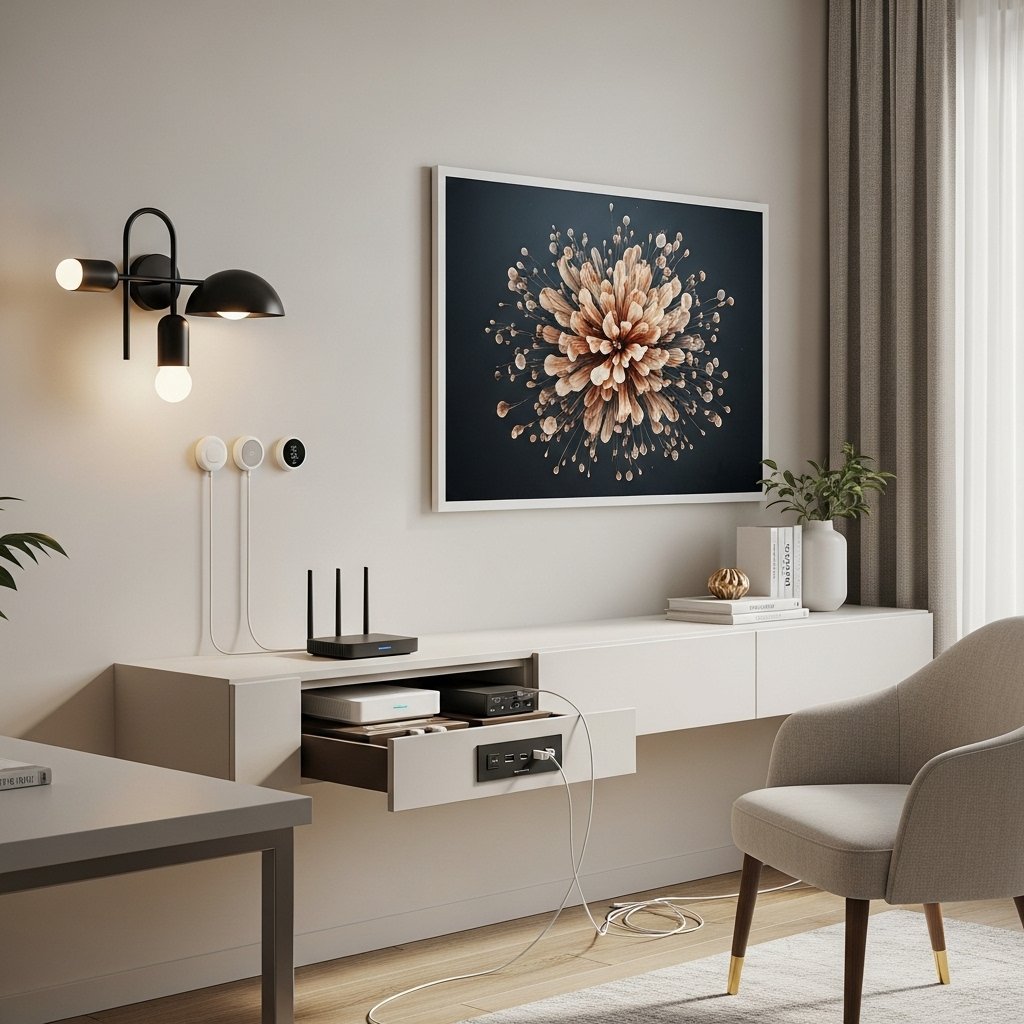
Modern decor acknowledges how we live now. The goal is to integrate technology seamlessly. Use a frame TV that displays art when not in use. Hide router hubs and charging stations in a beautiful box or a dedicated drawer with built-in ports. Choose smart bulbs and thermostats that you control from your phone, reducing the need for visible switches and dials. It’s about convenience without the visual wires and plastic boxes.
9. Mix High and Low, Old and New
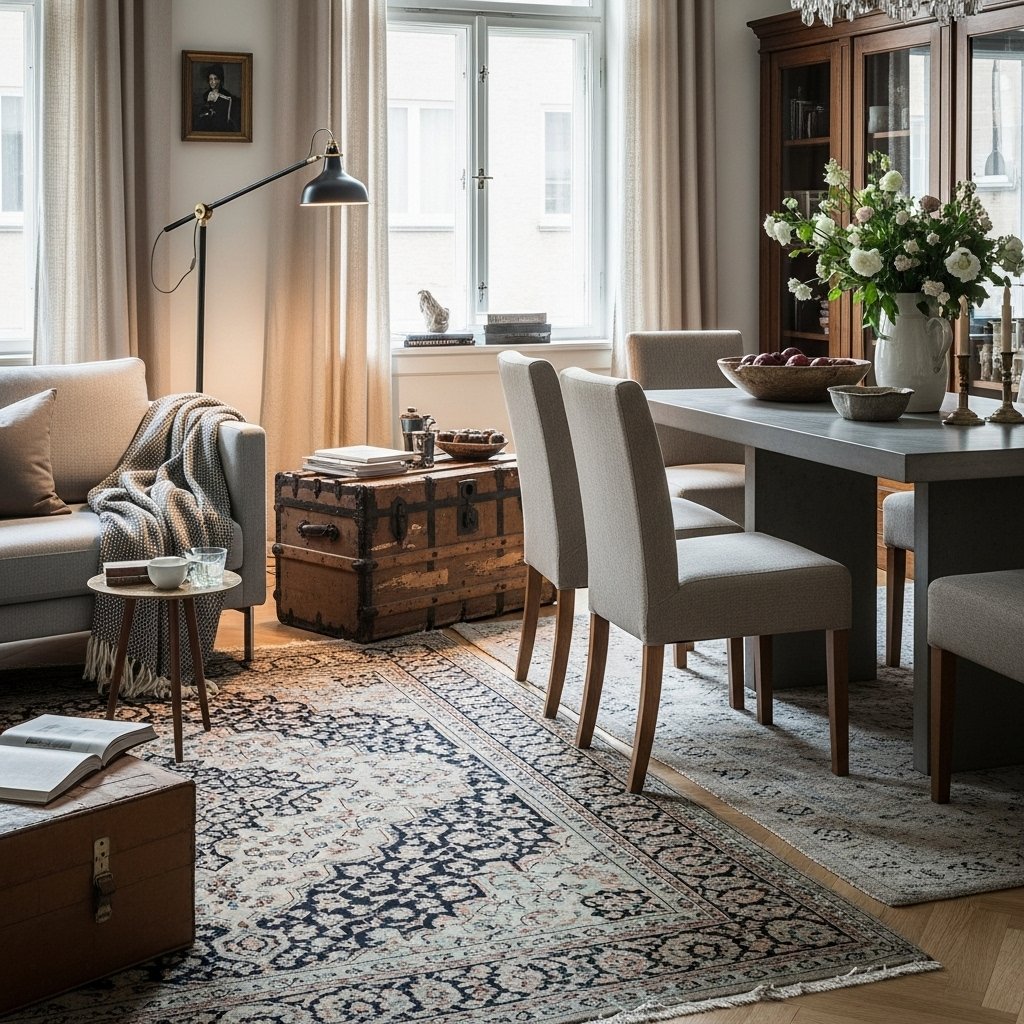
This is perhaps the most important rule for avoiding a showroom feel. Pair your sleek, new sofa with a worn-in, vintage Persian rug. Place a hyper-modern floor lamp next to a battered, 19th-century wooden trunk. The friction between eras and price points creates depth and personality. My dining table is a modern concrete-topped piece, but the chairs around it are mismatched vintage finds I reupholstered in the same fabric. It feels collected, not bought in a set.
10. Elevate Your Window Treatments
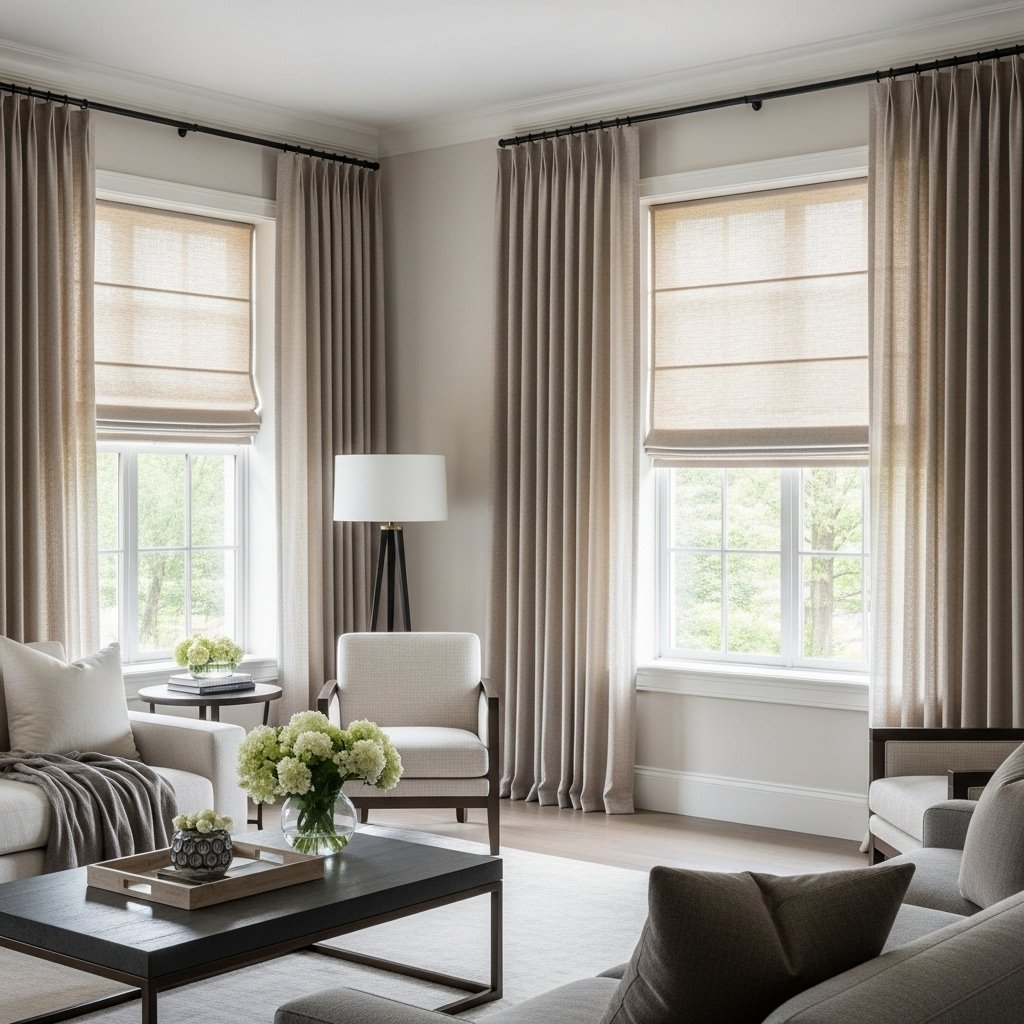
Ditch the flimsy, half-length curtains. For a modern look, install floor-to-ceiling drapery rods and hang linen or wool curtains that “kiss” the floor or pool slightly. Hang the rods wider than the window frame to make windows appear larger. For a cleaner look, use minimalist roller shades or Roman shades in a natural fabric. Good window dressing frames your view like art and controls light beautifully.
11. Create a Dedicated “Landing Strip”

Modern style requires practical entry points. A dedicated drop zone near your main entrance—with a bench, hooks for keys/bags, and a tray for mail—prevents clutter from infiltrating your clean spaces. I built a simple oak bench with cubbies underneath for shoes. Above it, three black metal hooks hold daily essentials. This five-minute daily organization ritual keeps the rest of the house tidy.
12. Play with Scale and Oversized Elements
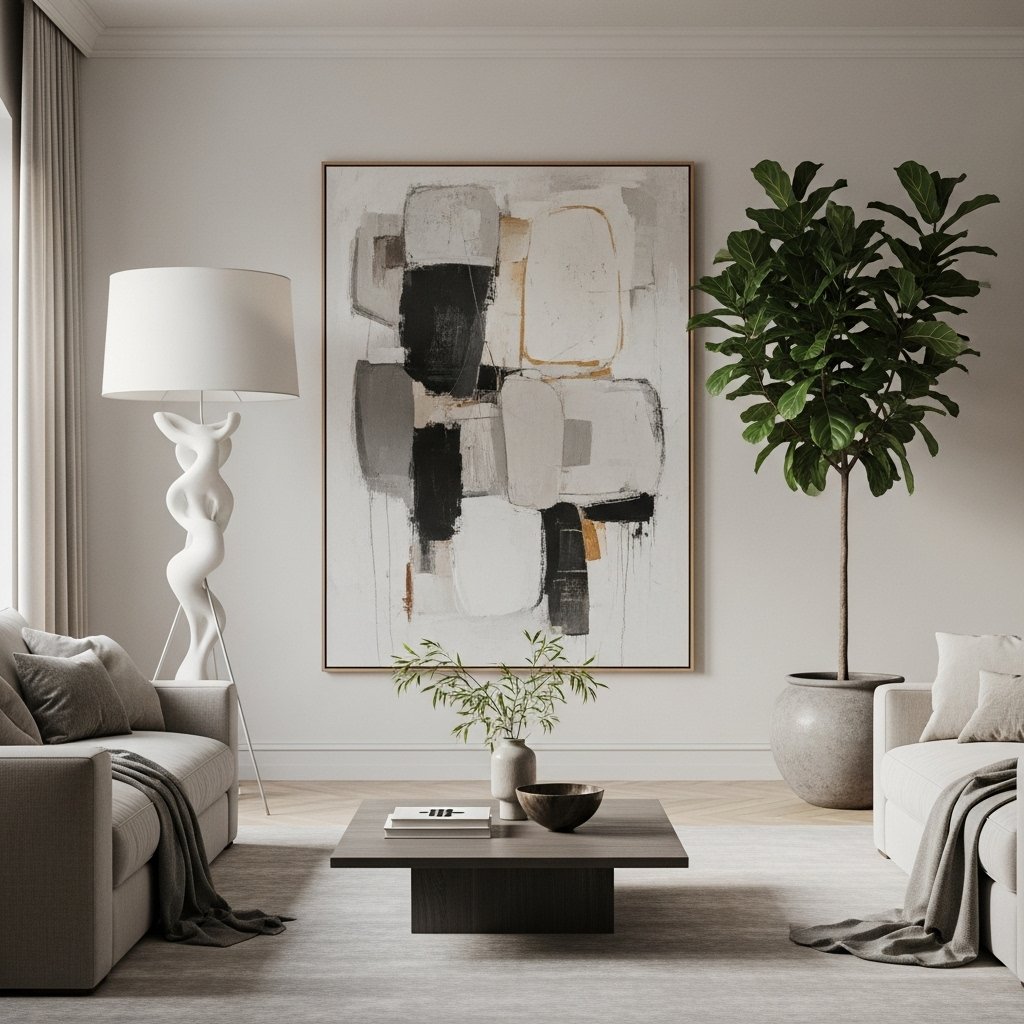
One large piece is often more effective than several small ones. An oversized piece of art, a massive floor lamp, or a big, statement pot holding a fiddle-leaf fig tree can anchor a room with confidence. Don’t be afraid to let a piece command attention. In a client’s otherwise minimalist living room, a huge, abstract painting in muted tones became the undeniable soul of the space.
13. Rethink Open Shelving (Strategically)
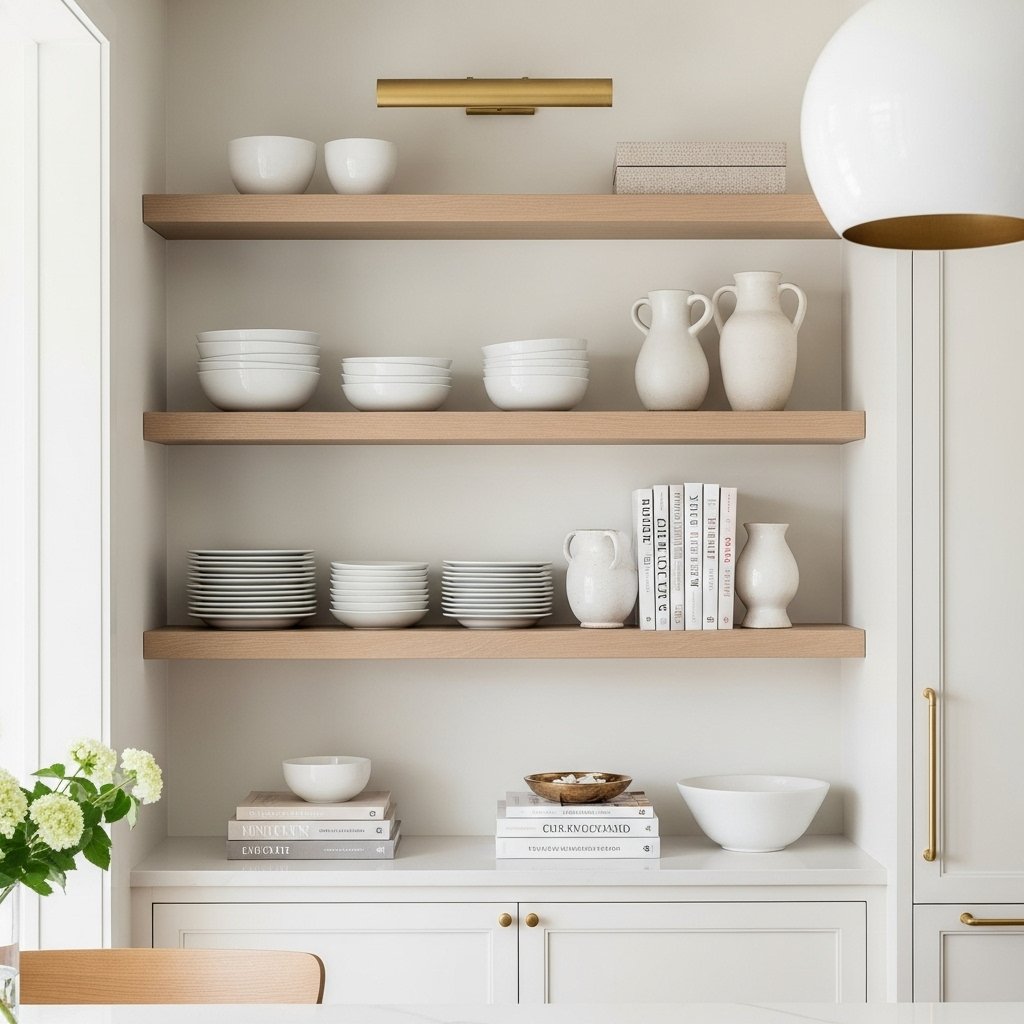
Open shelving in kitchens or living areas can look cluttered fast. The modern take is to use it sparingly and stylistically. Dedicate one set of shelves to a cohesive display: all white dishes, or a collection of beautiful cookbooks interspersed with a few ceramic pieces. Keep it edited and leave empty space. It should feel like a display, not storage.
14. Incorporate Dark, Moody Accents

While light and airy spaces remain popular, there’s a strong move toward cozy, enveloping drama. Paint your interior doors a matte black or charcoal. Choose a deep, navy blue for a library wall. Use black metal finishes on hardware and lighting. These dark accents act as graphic punctuation in a space, defining edges and adding sophistication. I painted my pantry door a matte black, and it now looks like an intentional design feature, not just a door.
15. Prioritize Natural Materials and Honest Finishes
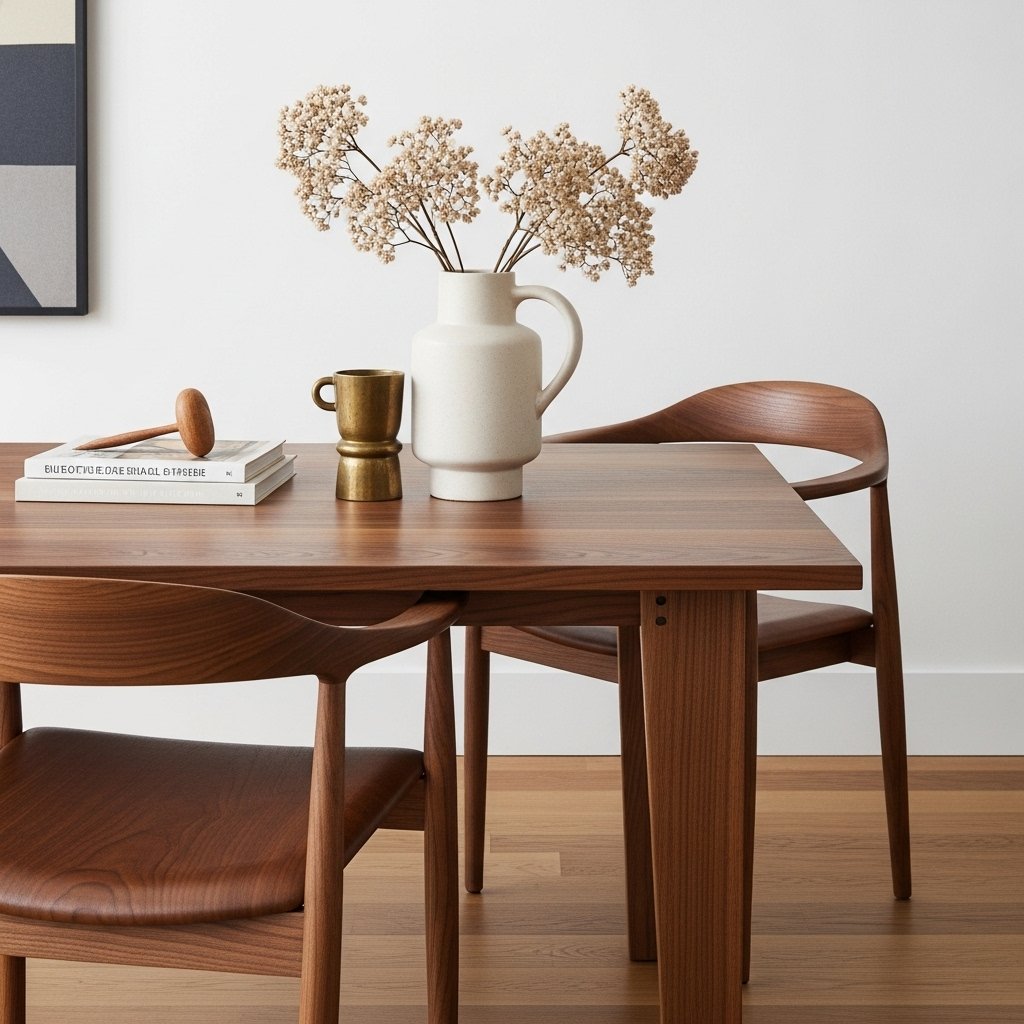
Ultimately, modern style is leaning hard into authenticity. Choose furniture and decor made from real materials: solid wood (showing its grain), unlacquered brass (that will patina), stone, marble, wool, and cotton. Avoid laminates and plastics where you can. These materials age gracefully, tell a story, and connect your interior to the natural world. A walnut table that you can see and feel the wood grain in is inherently more modern and lasting than a perfect, shiny laminate copy.
The Final Touch: Live In It
The most crucial idea? Allow your home to be lived in. A modern, stylish house isn’t a museum. It’s the backdrop for your life. The stack of books by your chair, the blanket casually tossed over the sofa arm, the well-used chef’s knife on the counter—these signs of life are what transform a stylish space into a beloved home. Start with these ideas, adapt them to your taste, and remember: the goal is a house that feels both designed and deeply personal.