
I’ve always been drawn to simplicity in design. In a world that’s constantly bombarding us with notifications, colors, and chaos, there’s something profoundly calming about a clean white wallpaper. Over the years, as someone who’s spent countless hours curating digital setups for work and personal use, I’ve experimented with hundreds of backgrounds. White ones, in particular, stand out for their versatility—they make icons pop, reduce eye strain during long sessions, and create an illusion of more space on your screen.
In 2026, with higher-resolution displays on everything from laptops to foldable phones becoming the norm, clean white aesthetics have evolved beyond plain blanks. . Think of them as the digital equivalent of a freshly painted gallery wall: neutral, elegant, and ready to showcase whatever you place on it.
1. Pure Plain White

Sometimes, less truly is more. A completely blank white wallpaper provides ultimate clarity and a sense of calm, allowing the eye to rest without distraction. Its simplicity highlights other design elements, creating a clean, modern aesthetic. For heavy computer users, it’s especially practical—desktop icons, widgets, and applications stand out sharply against the stark background, improving focus and efficiency. Ideal for offices, creative studios, or minimalist homes, this approach turns a wall or screen into a serene, uncluttered canvas, emphasizing light, space, and functional elegance.
2. Soft White Gradient

Introducing a gentle gradient that fades from bright white to a soft off-white or light gray adds subtle dimension and depth to any surface. This approach prevents the screen or wall from feeling flat or overly harsh, creating a more comfortable visual experience. It’s particularly effective for users who frequently switch to dark mode, as it balances contrast and reduces eye strain. The nuanced transition provides a sense of sophistication and calm, turning a minimalist design into a thoughtfully layered, modern, and visually soothing environment.
3. Minimalist Geometric Lines
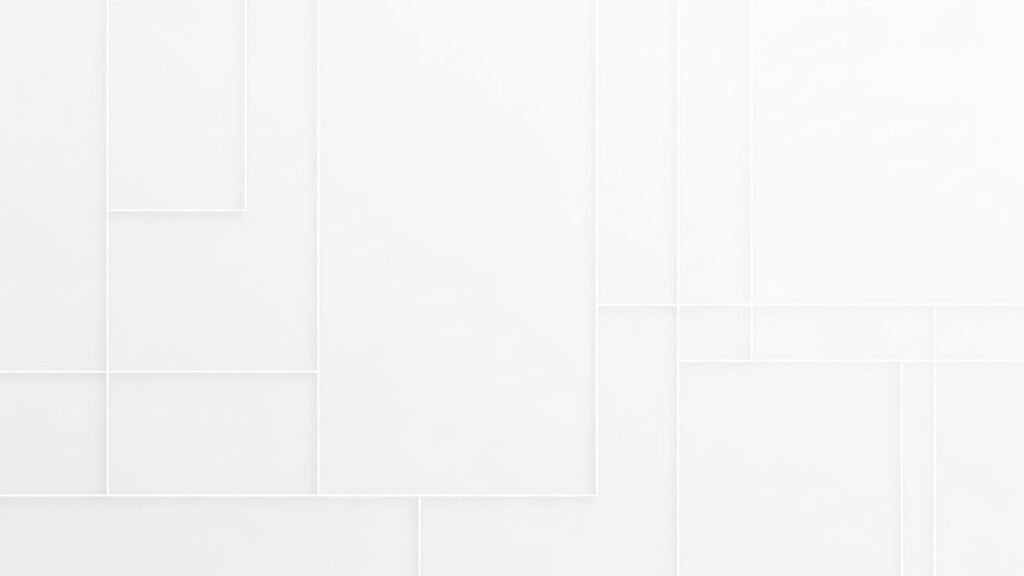
Thin, faint white-on-white lines or subtle grids create a modern architectural feel. These are great for professionals—think architects or coders—who want structure without color.
4. Clean Marble Texture
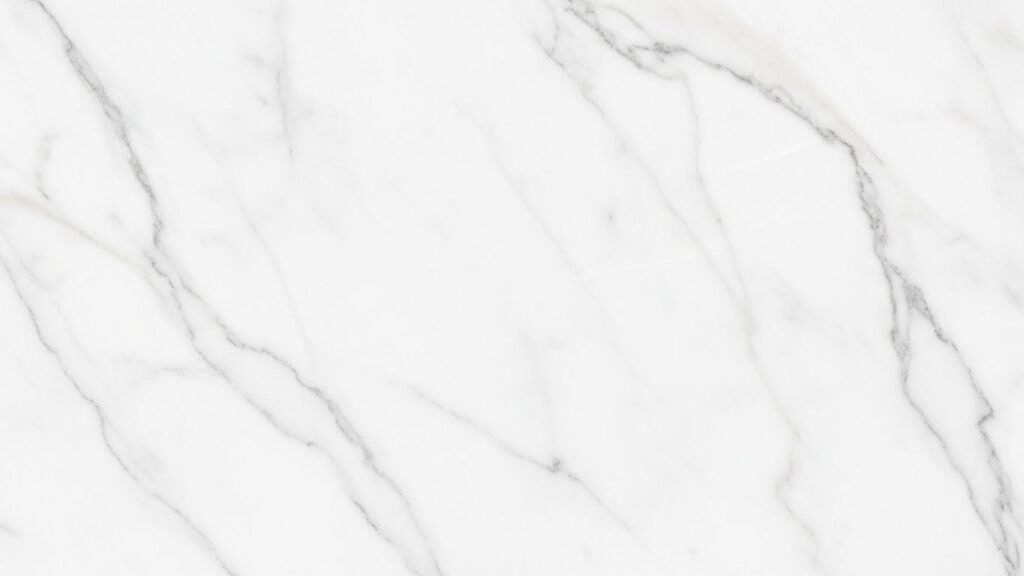
White marble with minimal veining brings luxury and sophistication. It’s incredibly popular in 2026 interior-inspired digital designs, mimicking high-end countertops but in a soft, non-intrusive way.
5. Abstract White Waves
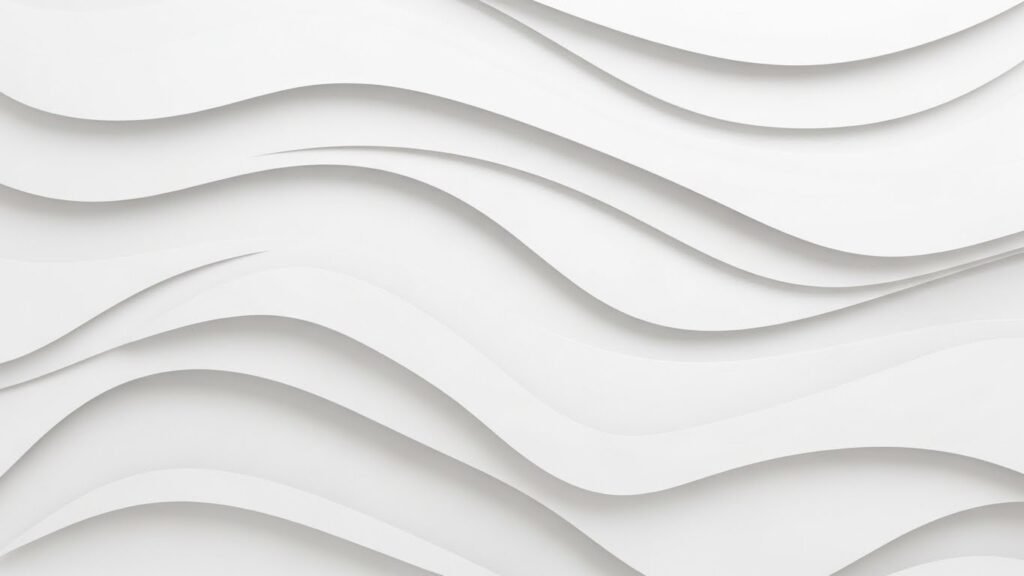
Soft, flowing abstract shapes in varying shades of white evoke calmness, like clouds or gentle ripples. Ideal for creative types needing inspiration without bold distractions.
6. Snowy Landscape Minimalism

A distant snow-covered field or forest under a pale sky captures nature’s quiet beauty. These clean white nature scenes promote serenity, especially during stressful workdays.
7. Subtle Dot Pattern

Barely-there white dots on a white base add texture without clutter. It’s a nod to mid-century modern design, subtle enough for daily use.
8. Typography with Negative Space

A simple motivational quote in light gray serif font centered on white. The vast empty space emphasizes the words, turning your screen into daily affirmation.
9. Linen or Fabric Texture

Mimic crisp white linen or canvas for a tactile feel. This works wonderfully on tablets, giving a paper-like quality that’s easy on the eyes for reading.
10. Polygonal Low-Poly White
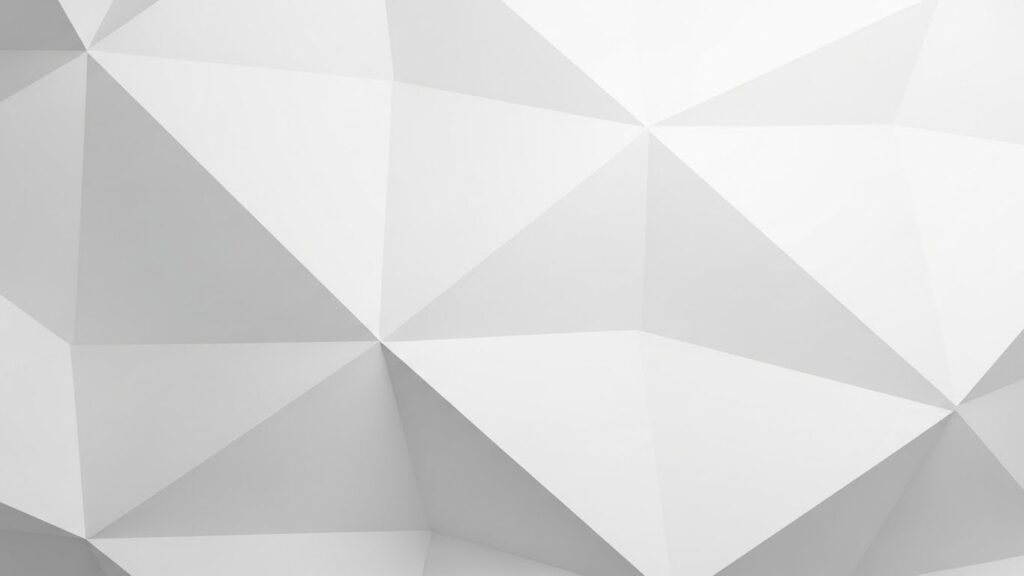
Faceted geometric patterns in monochromatic white create depth through shading alone. Popular in tech circles for a futuristic yet clean vibe.
11. Cloud-Inspired Fluff

Soft, diffused cloud formations against a white sky. Perfect for mindfulness apps or anyone seeking a dreamy, airy atmosphere.
12. Architectural White Spaces
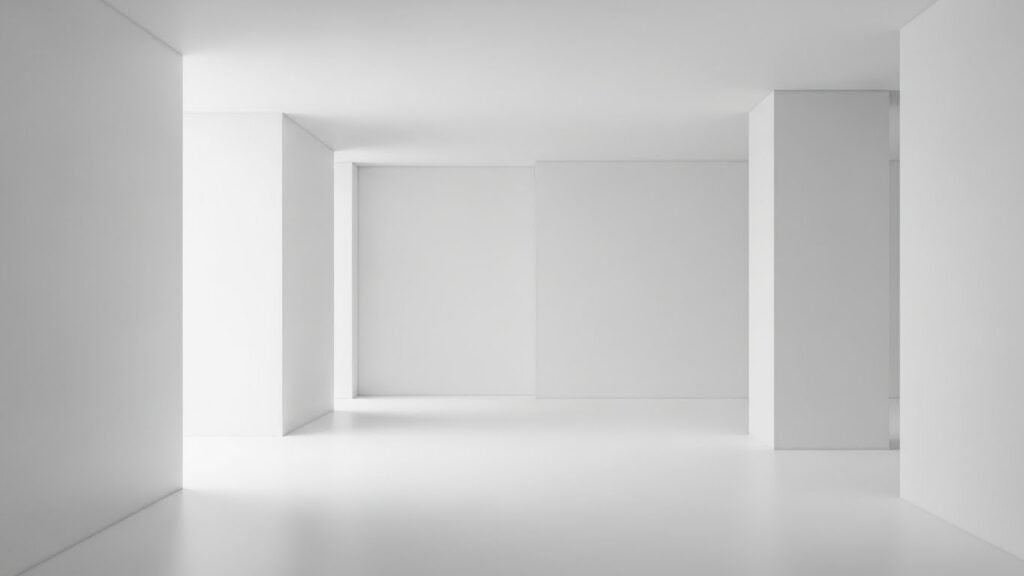
Photos of minimalist interiors—empty white rooms with clean lines and natural light. These inspire focus and make your digital space feel expansive.
13. Faint Watercolor Washe

Very light, almost invisible watercolor bleeds in white tones. Adds artistic softness without compromising cleanliness.
14. Grid with Transparency

A super-faint graph paper grid over white, beloved by designers for aligning elements mentally.
15. Brutalist Concrete White

Subtle concrete texture in pure white—raw yet refined. It’s trending in 2026 for those wanting an industrial edge that’s still impeccably clean.
Final Thoughts
From experience, sourcing high-resolution versions matters. Sites like Unsplash offer free, quality options, while paid ones ensure no compression artifacts. Always match your device’s resolution for sharpness.
In the end, a clean white wallpaper isn’t just a background—it’s a statement about prioritizing clarity in a noisy world. Try a few from this list; you might find, like I did, that simplicity brings the most satisfaction.
FAQs
What makes a wallpaper “clean white”?
It’s predominantly white with minimal elements, focusing on negative space, subtle textures, or faint patterns for a uncluttered, calming look.
Are clean white wallpapers good for eye health?
Yes, they reduce visual noise and can lower strain, but pair with dark mode apps and adjust brightness to avoid glare.
Where can I download high-quality clean white wallpapers?
Free sites like Unsplash, Pexels, or Wallpaper Cave; for premium, check Etsy or dedicated design stores.
Do white wallpapers drain battery more?
On OLED/AMOLED screens, pure white uses more power than dark backgrounds, so consider device type.
Can I customize these ideas myself?
Absolutely—use tools like Canva or Photoshop to tweak textures or add personal quotes while keeping the clean aesthetic.